The Silk Road Journal · Owners abroad · Singapore · Buying
Singapore Owners After Kranji: Where to Race and How to Buy in 2026-27
For 182 years Singapore had its own racing. Since October 2024 it has not. The owners did not stop loving horses; they just lost their local track. Here is where they race now, how buying works from Singapore, and what the shipping and the monthly bills really look like.
Mr Tan, his wife Mrs Tan and their old Kranji syndicate group chat are invented. Facts are sourced and dated at the end. Rules, fees and quarantine terms change: where we say "check official site", please do. Nothing here is financial, tax or legal advice, and no horse in this article is for sale.
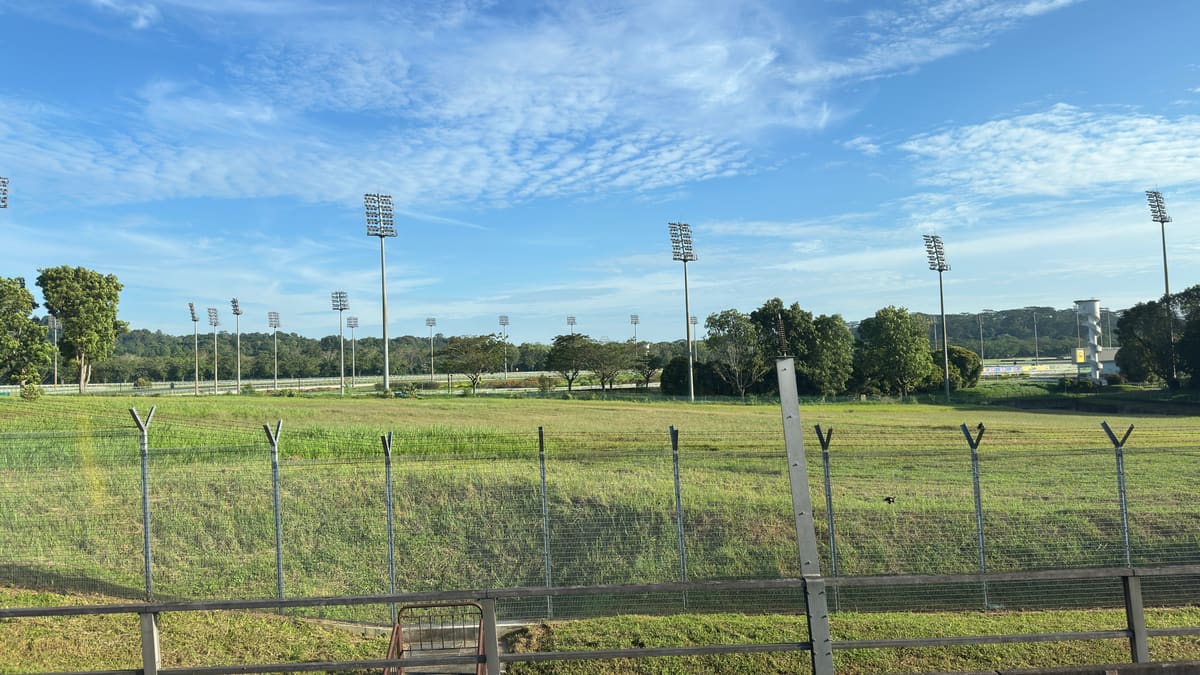

Kranji held its last race meeting on Saturday 5 October 2024, so Singapore owners now race abroad. The realistic choices are Malaysia (Selangor and Perak, about an hour's flight, where most Kranji horses went), Australia and New Zealand (bigger prize money, higher bills), Hong Kong (only with a Jockey Club import permit), Britain, Ireland and France with a licensed partner trainer (the deepest racing, a summer season), and the UAE (a winter season, November to March). You register as an owner with that country's racing authority, choose a licensed trainer there, and buy at the sales or privately. You can do all of it from Singapore by email and video call. Pick the country first, then the horse.
Mr Tan (invented, 58, owns an engineering firm in Jurong, owned shares in three horses at Kranji over twenty years) still has the old syndicate group chat. It used to be about Saturday's runners. Now it is mostly durian photos and the occasional "anyone still racing?" This guide is the long answer to that message.
We want to be respectful about this. For many owners, trainers, jockeys, grooms and vets, the end of Kranji was a real loss, not a business story. Some people left the sport for good, and that is a fair choice. This guide is for those who would like to keep going, and want an honest map rather than a sales pitch.
What happened at Kranji, and when?
The Singapore Turf Club announced on 5 June 2023 that racing would end, because the government needed the land. The final meeting was on 5 October 2024. About 700 horses became about 240 by the last day, and around 80% of the horses went to Malaysia.
- The announcement: 5 June 2023. The land at Kranji goes back to the government for housing and other uses. The club itself is due to stop operating by March 2027.
- The last day: Saturday 5 October 2024, a ten-race card headlined by the 100th Grand Singapore Gold Cup. The Singapore Turf Club was founded in 1842, so that was about 182 years of racing.
- The horses: about 700 at the announcement, about 240 by the final day. A year later, a report in The Straight said around 80% had been exported to Malaysia and most of the rest dispersed to South Korea.
- The trainers: six former Singapore trainers joined Selangor in Malaysia, including former champion Jason Ong. Others went home to Australia and New Zealand, and some left training altogether.
- The region: Macau also stopped racing, with its final meeting on 30 March 2024. So the two nearest "second homes" for Singapore horses both closed in the same year.
The result: Singapore still has owners, money and love for the sport, but no track. Every option below means racing in another country, under another country's rules.
Where can a Singapore owner race now? The options at a glance
Six honest options, none perfect. Malaysia is closest and cheapest, Australia and New Zealand feel most familiar to ex-Kranji people, Hong Kong is hardest to get into, Europe has the deepest racing, and the UAE is a winter season that pairs well with Europe.
| Where | Why owners choose it | The catch | Distance from Singapore |
|---|---|---|---|
| Malaysia (Selangor, Perak) | Close; many Kranji horses, trainers and staff moved there; same racing authority family (the MRA) | Much lower prize money than Kranji had; a smaller programme | About an hour's flight to Kuala Lumpur |
| Australia and New Zealand | Ex-Kranji trainers went home there; big, deep racing; the ready-to-run sales Singapore owners know | Higher monthly bills; strong local competition | About 7 to 8 hours' flight to Sydney or Melbourne |
| Hong Kong | Top prize money and a strong Chinese-speaking racing community | Only with a Jockey Club import permit and approval as an owner; permits are limited | About 4 hours' flight |
| Britain, Ireland, France | The deepest racing in the world; owners who live abroad are welcome; partner trainers report by video | Time zones; a summer season; you fly in for the big days | About 13 to 14 hours' flight |
| The UAE | A winter season (Nov to Mar) with the Dubai World Cup; pairs with a European summer | Short season; you need a horse that suits UAE races and surfaces | About 7 hours' flight to Dubai |
Flight times are approximate. Racing rules, fees and quarantine terms change: check the official site of each racing authority before you commit.
Malaysia: the closest and most familiar option
Most Kranji horses went to Malaysia, mainly Selangor (Kuala Lumpur) and Perak (Ipoh). You register with the Malayan Racing Association, use a licensed trainer there, and enjoy short trips. The honest catch is prize money: far lower than Kranji used to pay, so keep the budget sensible.
- Who runs it: the Malayan Racing Association (MRA) registers owners and horses and licenses trainers for the Malaysian clubs. It was the same body that covered Singapore, so some old paperwork may feel familiar. Check the current owner registration steps and fees with the MRA and the club (check official site).
- Who is there: six ex-Singapore trainers joined Selangor, including Jason Ong. Many owners followed their trainer, not the country.
- What horses suit: Much of Malaysian racing is handicaps and class races for modest horses. A sound, honest horse with a modest rating can be more useful than an expensive one. Ask your trainer what rating band actually gets races before anyone looks at a catalogue.
- Importing a horse: Malaysia's import rules, permits and quarantine are set by the Malaysian authorities and can change, and conditions depend on the exporting country. Ask the trainer and a shipping agent for the current protocol in writing (check official site).
- The honest bit: Malaysian prize money is low compared with Kranji's old levels. Race there for the sport, the friendships and the short trips, not to cover the bills.
Australia and New Zealand: the big, familiar neighbours
Many Kranji trainers came from Australia and New Zealand, and several went home. Racing is big and deep, owners abroad are common, and the ready-to-run sales are well known to Singapore buyers. The bills are higher: top metro stables charge roughly A$142 to A$148 a day before vets and extras.
- Trainers: Tim Fitzsimmons and Dan Meagher went back to Australia, and Donna Logan to New Zealand, among others. Following a trainer you already trust is a perfectly good reason to choose a country.
- Owner registration: Australian owners are recorded when the horse is registered, through the trainer, under the Australian Rules of Racing. Companies and syndicates have extra steps. Ask the trainer to walk you through it (check official site: Racing Australia and the state body).
- Costs: a July 2025 analysis reported average daily training rates of about A$147.54 in New South Wales and A$142.36 in Victoria for top-10 metro stables, and about A$126 at other stables. That is roughly A$3,800 to A$4,500 a month before vets, farrier, transport and race-day costs.
- The sales: the Australian and New Zealand yearling sales run from January to March, and the two-year-old ready-to-run sales later in the year. European horses also travel to Australia, especially stayers for the spring carnivals; see our Melbourne Cup guide on European-bred stayers.
Hong Kong: the permit system, explained simply
Hong Kong has superb racing and prize money, but you cannot simply ship a horse in. Owners need Hong Kong Jockey Club approval and an import permit from the Club's annual ballot: a PP for a horse that has raced, a PPG for an unraced one. Permits are limited, so this is a door that opens slowly.
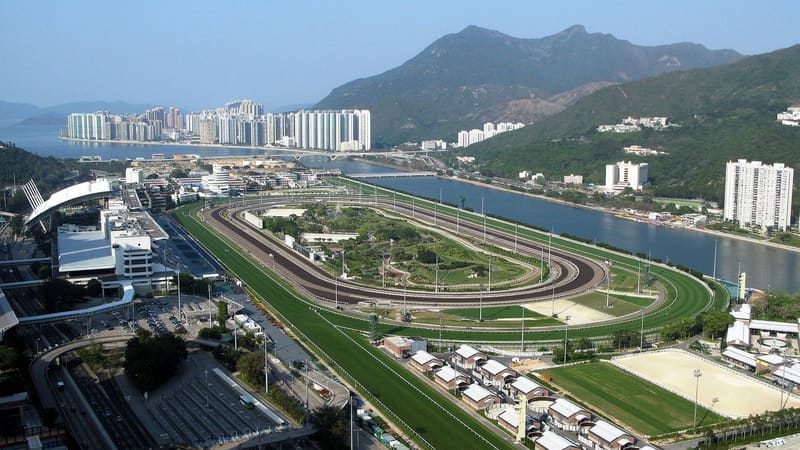

- The permits: the 2026 ballot issued 460 permits, 120 PP and 340 PPG. Owners on the reserve list can be promoted later, often at short notice.
- The owner rules: owning in Hong Kong needs approval from the Jockey Club, and the rules for people who live outside Hong Kong are the Club's to set. Ask the Club before anything else (check official site).
- The horse: a PP must already meet the Club's minimum rating, and the Club's vets must clear it. Do not pay before the rating and vet clearance are in writing.
- How we help: if you hold a permit, our Hong Kong PP shortlist service sends 3 to 5 rated horses in training, working with your Hong Kong trainer. New to the system? Read Hong Kong PP and PPG permits explained and how to buy a PP or PPG this winter.
Britain, Ireland and France: race in Europe from Singapore
Yes, you can live in Singapore and own a horse racing in Britain, Ireland or France. You register online with the BHA, Horse Racing Ireland or France Galop, choose a licensed trainer there, and watch most races live online. Europe has the deepest racing anywhere, from small handicaps to the Arc.
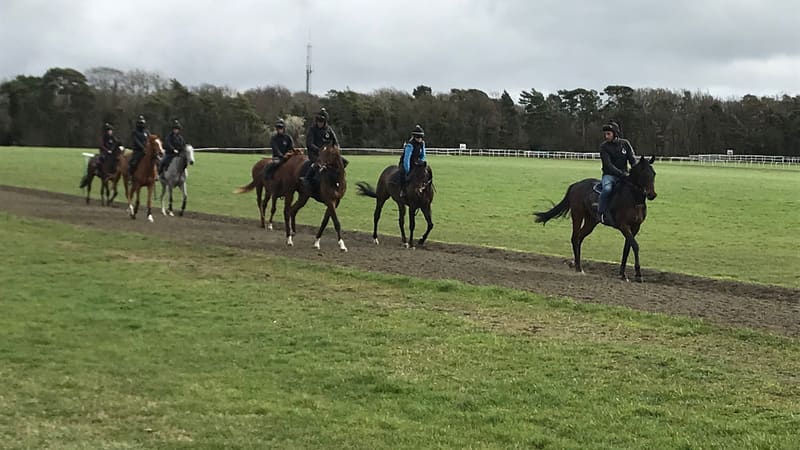

- Owner registration: all three authorities accept owners who live abroad. Expect identity checks, a payment account and a few weeks of paperwork. Do it before the horse is bought (check official site).
- Monthly bills: roughly £2,000 a month in Britain, about €1,900 in Ireland and €1,500 to €2,500 in France for training, plus vets, entries and transport. Full country-by-country numbers in our 2027 ownership costs guide.
- The trainer: licensed trainers train. We place your horse with one of our partner trainers (or your own), agree a written plan, and send you the videos, the vet notes and the entries.
- Selling on: a European horse with good form can later suit Hong Kong (as a PP), Australia, the UAE or Malaysia. That is a possibility, not a promise; most horses are sold for less than they cost.
- The same model works for owners in the Gulf, and we wrote it up in detail: Dubai owners: how to race in Britain, Ireland and France. Owners in Japan have their own version: buying a European racehorse from Japan.
The Silk Road Letter
Twice a month: the sales worth watching, what horses really cost, and the catalogue jokes nobody tells you. Free. Unsubscribe in one click.
The UAE: a winter season that pairs with Europe
The UAE races from November to March, ending with the Dubai World Cup at Meydan on 27 March 2027. A Singapore owner can race there in the winter and in Europe in the summer, with one horse or two. You need a horse that suits UAE races and the right surface, turf or dirt.
- The season: 2026-27 opened on 22 October 2026. Meydan's Dubai Racing Carnival starts on 6 November. Most new arrivals bought this autumn aim at the second half of the season, from late January to March.
- Owner registration: owners register with the UAE's racing authority and race through a licensed UAE trainer (check official site for current rules and fees).
- Costs: the UAE is one of the cheaper places to keep a horse in training. Numbers in our 2027 costs guide; the full plan in buying a horse to race in Dubai 2026-27.
- Why it works with Singapore: Dubai is about 7 hours' flight and 4 hours behind Singapore. A long weekend at Meydan is very doable. We are based in Dubai, so we are there on race nights.
How does buying work from Singapore?
Decide the country and the trainer first, then the budget, then the horse. Register as an owner, agree a written brief, let someone you trust see the horse and book an independent vet, and pay the seller or the sale company directly. All of it works by email and video call.
- Pick the country. Everything else follows from it: the rules, the races, the right type of horse, the shipping.
- Pick the trainer. Ask what horse they need, and what rating band gets races. See how to choose a racehorse trainer.
- Register as an owner with that country's racing authority, before you buy (check official site).
- Write the brief: budget (purchase price, plus a year of bills), age, distance, surface, timing.
- Search: the sales and private yards. Europe's horses-in-training sales run from October to early December; Australia's big yearling sales start in January. See the sales we buy from.
- Check: an independent vet for every serious candidate, and video of the horse walking and trotting. Read racehorse vetting explained.
- Buy: to a written limit. At auction you need to be registered with the sale company, or someone buys in your name. You pay the seller or the sale company directly.
- Ship and settle: insurance from the hammer, then health tests, quarantine, the flight and a few quiet weeks before the first run.
Mr Tan did steps one and two in a single dinner. Mrs Tan chose the country ("somewhere we can actually visit"), Mr Tan chose the trainer, and the group chat chose nothing, which is how group chats work.
Shipping and quarantine: what to expect
Every move needs health tests, export and import paperwork, usually a period of pre-export isolation, the flight, and quarantine on arrival. The rules are set by each country's government vets and change, so get the current protocol and a written quote from a specialist shipping agent before you buy.
- Before the flight: health certificates for the importing country and, for most routes, pre-export isolation. Hong Kong, for example, asks for 21 days of pre-export quarantine and at least 14 days in Hong Kong (check official site).
- Malaysia: an import permit and quarantine on arrival are required; the exact terms depend on the exporting country. Check the current rules with the Malaysian authorities and your shipping agent (check official site).
- Australia and New Zealand: strict biosecurity, with quarantine on arrival and set import windows from some countries. Plan months ahead (check official site).
- Europe and the UAE: generally simpler routes between them, but still with health tests and paperwork for each move (check official site).
- The cost: flights, grooms, isolation and quarantine add up to a real sum, often thousands of US dollars per move and more on long routes. Ask for a written, all-in quote; we do not guess these numbers, because they change with route and season.
What does it cost? Purchase, fee and the first year
Three parts: the horse, the buying fee and the yearly bills. Budgets with us start at US$50,000 for the horse. Our fee is 5% (minimum US$5,000). The yearly running bill depends on the country, from Malaysia at the cheaper end to Hong Kong and Australia at the higher end.
| Cost | What to expect | Notes |
|---|---|---|
| The horse | From US$50,000 with us | Many good handicappers cost less than people think; a horse for Hong Kong as a PP usually costs much more |
| Our buying fee | 5%, minimum US$5,000 | On a US$100,000 horse: US$5,000. On US$200,000: US$10,000. In writing before we start |
| Vetting | Paid per horse checked | Including horses you do not buy |
| Shipping and quarantine | Written quote per route | Check official site for quarantine rules |
| Training (Australia) | About A$126 to A$148 a day (2025) | Before vets and extras |
| Training (Europe, UAE, Hong Kong) | See the 2027 costs guide | Country by country |
| Training (Malaysia) | Set by each trainer | Ask for a written monthly quote |
| Insurance | Often about 3% to 3.8% of value a year | Start it at the hammer |
For the full picture, read what a racehorse really costs. And the honest bit we say in every guide: owning a racehorse is a passion, not a way to make money. We cannot promise a win, a price or a profit. Nobody honest can.
Still own an ex-Kranji horse? Your choices
Keep racing it where it is, move it with your trainer, sell it, or retire it well. There is no wrong answer, only a written plan.
- Keep racing: if it is sound and happy in Malaysia or Australia, there may be no reason to move it.
- Sell: a horse in training with form can find a buyer in another country. We help owners sell; see sell with us and how to sell a racehorse in training.
- Retire: plan the horse's next home properly. A good retirement is part of good ownership.
How Silk Road Bloodstock works for Singapore owners
We find, check and buy the horse, then place it with a licensed partner trainer in the country you choose and supervise the plan. 5% of the purchase price, minimum US$5,000, agreed in writing. Your money goes straight to the seller.
- The fee: 5% of the purchase price, minimum US$5,000, in a written agreement before any search. Budgets from US$50,000.
- Your money: you pay the seller or the sale company directly. It never goes through our account.
- Both sides: if we are ever paid by both buyer and seller on a deal, both are told in writing first.
- The search: the best horses from all over the world, at the sales and from private yards, with an independent vet before any bid.
- The trainer: licensed trainers train. We place the horse with one of our partner trainers, or your own trainer, and supervise. We do not train horses ourselves.
- Distance: email first, video calls, and written reports. Chinese-speaking family? See our page for Chinese-speaking owners.
A plain word before you choose
Kranji was more than a racecourse. It was Saturday afternoons, friends, a trainer's phone call on Thursday night. No guide can replace that. What it can do is make the next step clear: one country, one trainer, one sound horse, every fee in writing.
Mr Tan chose the shortest flight and his old trainer. Mrs Tan chose the hat. The group chat has a new name, and for the first time in two years, someone posted a race video instead of a durian.
Ready to own a racehorse again, from Singapore?
Email us your budget, the countries you would race in and whether you already have a trainer. We source the best horses from all over the world, with independent vets, clear written terms and a plan before any bid. Budgets from US$50,000. If another country or another route suits you better, we will say so on day one.
Email info@silkroadbloodstock.com first, from anywhere in the world. Phone +971 52 311 2385 second (Dubai, GMT+4). WhatsApp as backup.
5% fee (min US$5,000), agreed in writing. You pay the seller directly; your money never goes through us. If we are ever paid by both sides, both are told in writing first.
Already own a horse, or want to sell one?
Licensed trainers train; we help you choose one from our partner trainers, place the horse and supervise the plan. Selling an ex-Kranji horse or any horse in training? We find the right buyer, worldwide.
Know a Singapore owner who misses racing? Our introducer programme pays 20% of our fee on deals you introduce, paid from our fee and disclosed to the client in writing.
Related guides
- Hong Kong PP horses: private purchase shortlists for permit holders
- Buying a European racehorse from Japan: JRA/NAR, import, sales and costs 2026-27
- Dubai owners: how to race in Britain, Ireland and France
- Racehorse ownership costs in 2027: UK, Ireland, France, UAE, Hong Kong
- Hong Kong PP and PPG permits explained
- Do you need a bloodstock agent?
The Silk Road Letter
Twice a month: the sales worth watching, what horses really cost, and the catalogue jokes nobody tells you. Free. Unsubscribe in one click.
Frequently asked questions
When did racing end at Kranji in Singapore?
The Singapore Turf Club announced the closure on 5 June 2023, because the government needed the land for housing and other uses. The final race meeting at Kranji was on Saturday 5 October 2024, headlined by the 100th Grand Singapore Gold Cup. The club is due to stop operating by March 2027, when the land goes back to the government.
What happened to the Singapore racehorses?
There were about 700 horses at Kranji when the closure was announced and about 240 by the final day. Reports say around 80% of the horses were exported to Malaysia, mainly to Selangor and Perak, and most of the rest went to South Korea. Several trainers moved to Malaysia, Australia and New Zealand.
Can I still own a racehorse if I live in Singapore?
Yes. You can live in Singapore and own a horse that races in Malaysia, Australia, New Zealand, Hong Kong (only with a Hong Kong Jockey Club permit), Britain, Ireland, France or the UAE. You register as an owner with that country's racing authority, choose a licensed trainer there, and pay a monthly training bill. Rules change, so check the official site of each racing authority before you buy.
Can I race a horse in Hong Kong from Singapore?
Only through the Hong Kong Jockey Club's system. Imported horses need a PP (raced) or PPG (unraced) permit from the Club's annual ballot, and owners must be approved by the Club. Permits are limited: the 2026 ballot issued 460. Check the Hong Kong Jockey Club's official site for current owner rules.
How much does Silk Road Bloodstock charge?
5% of the purchase price, minimum US$5,000, agreed in writing before we start. Budgets from US$50,000. You pay the seller or the sale company directly; your money never goes through us. If we are ever paid by both sides, both are told in writing first. Licensed partner trainers train the horses; we place and supervise.
Spotted an error? Email info@silkroadbloodstock.com and we will fix it within 48 hours.
Sources
Checked 23 October 2026. Rules, fees and quarantine terms change; where we say "check official site", please check with the racing authority or government vets of that country.
- Racing Post, "It'll be quite a solemn and sad day": Kranji hosts last day of racing, 4 October 2024 (final meeting Saturday 5 October; 100th Grand Singapore Gold Cup; about 240 horses left from about 700; club founded 1842)
- Wikipedia, Singapore Turf Club (closure announced 5 June 2023; final meeting 5 October 2024; operations cease March 2027; land returned to the government)
- The Straight, "The sense of disappointment and anger is still there": how the ghost of Kranji haunts ex-Singapore trainers, October 2025 (about 80% of horses exported to Malaysia, the rest mostly to South Korea; six trainers to Selangor; trainers to Australia and New Zealand)
- Asian Racing Report, Malaysia, Macau and the Singapore closure's ripple effects, June 2023
- Wikipedia, Macau Jockey Club (final meeting 30 March 2024; operations ceased 1 April 2024)
- Penang Turf Club, Malayan Racing Association (registers horses and owners, licenses trainers)
- The Straight, "The rising cost of racing", 16 July 2025 (daily training rates: top-10 metro NSW A$147.54, Victoria A$142.36; other stables about A$126)
- Racing Australia, racing overseas horses in Australia (registration, owners, syndicates)
- Hong Kong Jockey Club, horse import permit ballot
- Our own guides, each with its own dated sources: Hong Kong permits, racing in Europe from abroad, the UAE season, 2027 costs.