The Silk Road Journal · Selling
How to Sell a Racehorse in Training: Auction, Private or Agent
Selling is the one day in ownership when the invoice goes the other way. Here is how to choose the route, count the fees and keep the paperwork moving.
A light-hearted look at the horse world. Faris, Auntie Mariam and the Man Who Knew the Sire are invented. Facts are sourced at the end. Nothing here is financial or legal advice.
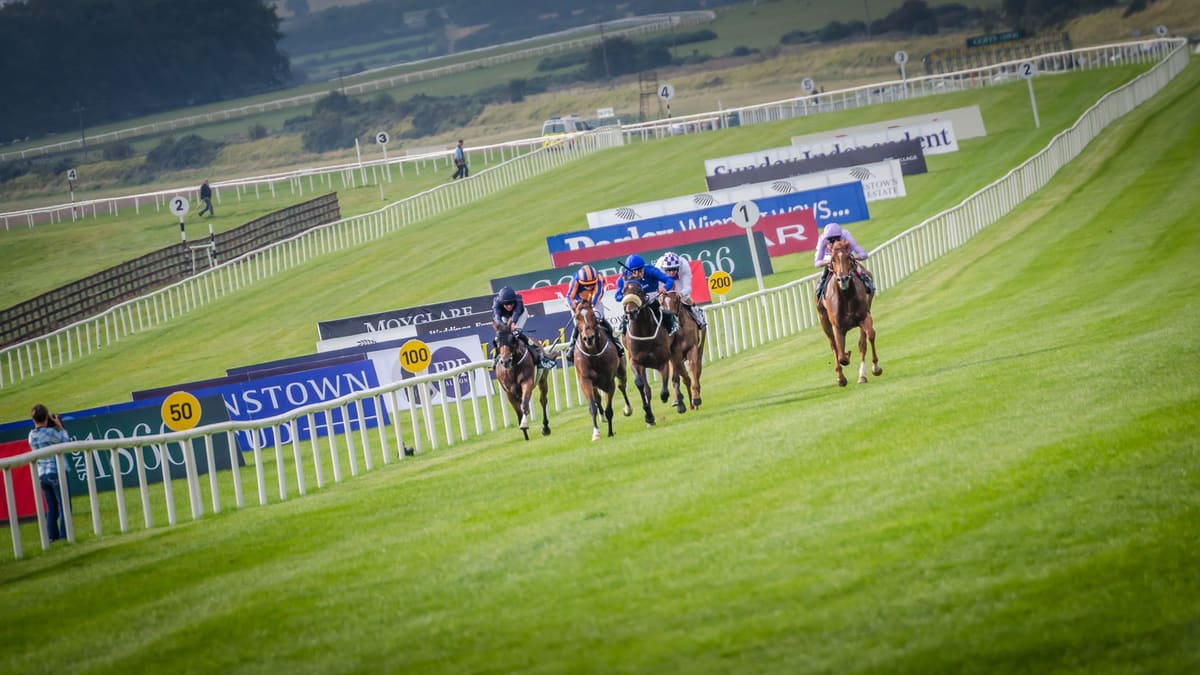

You can sell a racehorse in training at auction, privately, or through an agent. Auction is fast and public, but costs entry fees and commission. A private sale is quiet, but you must find the buyer. An agent finds buyers and handles paperwork for a fee. The right route depends on the horse's form, your timing and your need for privacy.
Faris (invented) once bought "just one horse". You may remember him from our cost guide. Now he would like to sell it. Auntie Mariam is delighted. She has been waiting for this day the way accountants wait for the end of the financial year.
"Selling is easy," says the Man Who Knew the Sire. "Just find a buyer who loves him as much as you do." Auntie Mariam suggests finding one with a budget as well.
Which route suits my horse: auction, private sale or agent?
Each route trades money for time, or time for privacy. Nobody has yet found one that saves all 3.
Which route suits your horse (our view, not a rule):
| Route | Live auction | Online auction | Private sale | Agent |
|---|---|---|---|---|
| Seller costs | Entry fee + commission | Smaller entry fee + commission | Your time, adverts, legal help | Agent's fee (ours: only if it sells) |
| Speed | Fixed sale date | Bidding runs about 1 day | Weeks to months | Depends on the horse and the market |
| Privacy | Public result | Public, or private on some platforms | High | High |
| Your control | Set a reserve, then the hammer decides | Set a reserve, accept offers after | Full | Full: you approve every offer |
| Suits | Horses with fresh form | Horses that need a quick, low-cost sale | Sellers who already know a buyer | Owners abroad, or anyone short of time |
Fresh form often suits the ring. A horse out of form, or an owner who wants no public price, may do better quietly. Faris would like all 4 routes at once. Auntie Mariam hands him a pen and asks for a list of pros and cons.
What does it cost to sell at auction?
Fees change every year, so read the current sale's notice. Here are 2 real examples.
Tattersalls Online June Sale 2026 (horses in and out of training):
- Entry: £160 + VAT per lot.
- Commission: 5% of the price, paid by the vendor (seller).
- Charity levy: £3 per lot sold, for Retraining of Racehorses.
- Bought in (it misses your reserve): no commission (yearlings pay 2.5%).
- Late withdrawal: £200 without a vet certificate after the deadline.
- Lowest price: 1,000 guineas. One guinea is £1.05, a fact that exists mainly to test buyers' mental maths. See our Tattersalls guide.
GoffsGo (Goffs' online platform, figures from its help page and the Irish Field, 2025):
- Entry: £49, paid upfront.
- Vendor commission: 1.5%, only if the horse sells or you buy it back.
- Buyer commission: 6%.
An auction is the only place where strangers compete to give you money, on a timetable.1
1 The footnote would like to add that strangers also compete to give you less money. That is what the reserve is for.

When in the season should I sell?
Buyers pay for a horse they can picture running soon. In our view, sell while the form is fresh and the horse is fit, not after a long gap.
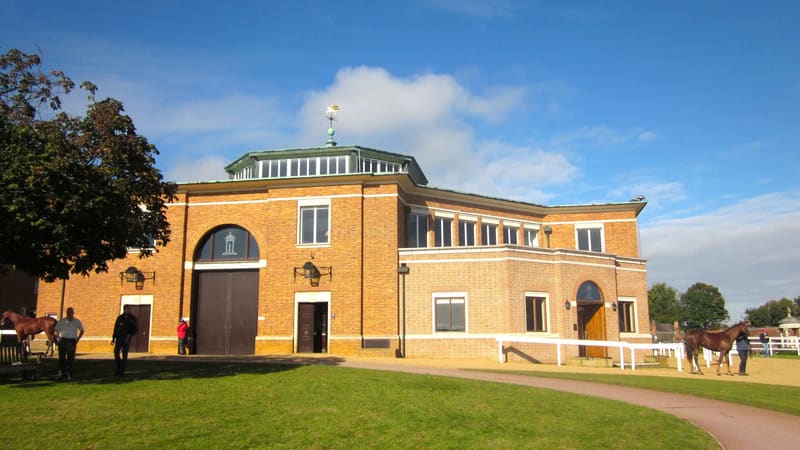
The big date in Newmarket is the Tattersalls Autumn Horses in Training Sale, from 26 October in 2026. Its catalogue went online on 30 September, so entries close weeks before. Online sales move faster. For the Tattersalls Online June Sale 2026, entries closed on 22 May and bidding opened on 3 June.
Trainers know the calendar. Watch for the sighs:
- Short sigh: the ground is soft again.
- Long sigh: the entry deadline was yesterday.
- Double sigh: the owner wants to wait for "one more run" before selling.
The Silk Road Letter
Twice a month: the sales worth watching, what horses really cost, and the catalogue jokes nobody tells you. Free. Unsubscribe in one click.
What paperwork moves with the horse?
- Passport: it travels with the horse, and Weatherbys asks for it with a transfer of ownership form. It is usually in the drawer with the coffee machine's warranty.
- Ownership: if 4 partners own the horse, the buyer needs to know all 4 agree. In Great Britain, a new owner must register with Weatherbys within 30 days, says Retraining of Racehorses.
- Vet records: Tattersalls Online asks for a vet certificate dated no more than 14 days before the sale, uploaded 3 days before bidding. Sellers can also place X-rays and scopes in its online repository for buyers' vets.
Rules differ between Britain, Ireland and France, and from country to country. Check the country where the horse is registered and trained.
How do I price my horse on recent results?
Start with the horse's official rating, its last 3 runs, and recent sale results for similar horses. Sale companies publish their results. Then take a deep breath and remove the family's affection from the price.
Sellers speak their own hopeful language. Here is our Translation Table, in reverse:
| What the seller says | What the buyer hears |
|---|---|
| "He just needs a run." | He has not had one for a while. |
| "Unlucky last time." | He finished down the field. |
| "I would never sell him, except to you." | He is for sale to everyone. |
| "He will improve for the trip." | He was too slow over this one. |
Buyers have heard every line before, usually when they were selling. A fair price, explained, saves 3 weeks of polite emails. Nobody honest can promise a price, including us.
Does my trainer take a commission when the horse is sold?
Possibly. Check your training agreement. The standard ROA/NTF agreement in Britain has a clause (clause 22) for this. It lets the trainer charge a percentage of the sale price, whether or not the trainer helped with the sale. If no rate is written in, the clause does not apply.
The Bloodstock Industry Code of Practice (2021) covers Britain and Ireland. It bans secret payments to agents. An agent may act for both buyer and seller only with prior informed consent in writing. Good. Secrets are lovely in novels and terrible in invoices.
How should I film and describe the horse?
Buyers abroad often decide from a screen. Give them:
- A walk and trot video on firm, level ground, in good light.
- Race replays of the last few runs. Tattersalls Online sells a photo and video package for £150 + VAT, and replays for £100 + VAT per race.
- Clear photos of both sides, standing square.
What happens after the sale?
At auction, the sale company collects the money. At Tattersalls Online, you release the horse once payment is secured. The buyer collects within 4 days, or pays you up to £35 a day after that. The buyer's vet may re-examine the horse by 5pm on the second day. Goffs says its conditions pay vendors 35 days after each sale. Check your sale's own terms.
In a private sale, use a written agreement. Take payment before the horse or the passport leaves. Then complete the transfer of ownership.
Transport is normally the buyer's job and cost, unless you agree otherwise in writing. Auntie Mariam suggests writing everything down. Auntie Mariam is always right.2
2 Auntie Mariam asked for this footnote. It says only: "Told you."
To see how our private list works, see horses in training for sale.
Selling? Email us first.
Write to us with "SELL", the horse's name and the country where it is trained. We show horses to buyers all over the world. Listing is free, and nobody sees your horse without your written OK.
Email info@silkroadbloodstock.com first, from anywhere in the world. Phone +971 52 311 2385 (UAE) second. WhatsApp as backup.
Our selling terms: listing is free. We charge 5% of the final price (minimum US$5,000) only if the horse sells to a buyer we introduce, including through our website, within 6 months of that introduction. If we are ever paid by both sides, both are told in writing first.
Buying instead?
We buy for clients wherever they live and race.
5% fee (min US$5,000), agreed in writing. You pay the seller directly; your money never goes through us. If we are ever paid by both sides, both are told in writing first.
Related guides
- What does a bloodstock agent do? (And what 5% pays for)
- How to read a sales catalogue page in 10 minutes
- What does a racehorse really cost? The honest 2026 guide
The Silk Road Letter
Twice a month: the sales worth watching, what horses really cost, and the catalogue jokes nobody tells you. Free. Unsubscribe in one click.
Frequently asked questions
Is it better to sell a racehorse at auction or privately?
Auction gives speed and a public price. Private gives privacy and control.
How much commission does a seller pay at auction?
It depends on the sale. At the Tattersalls Online June Sale 2026 it was 5% plus a £160 + VAT entry. GoffsGo charges vendors 1.5%.
Do I need the passport to sell my horse?
Yes. The passport goes with the horse, and Weatherbys needs it to transfer ownership.
Can my trainer charge commission if I sell the horse myself?
Yes, if your training agreement says so and gives a rate. Check clause 22 of the ROA/NTF agreement.
Spotted an error? Email info@silkroadbloodstock.com and we will fix it within 48 hours.
Sources
Checked 22 October 2026.
- Tattersalls Online June Sale 2026, Sale Information Notice (fees, commission, vet certificate, collection)
- Tattersalls Autumn Horses in Training Sale 2026, key information
- GoffsGo help page (fees, commission)
- The Irish Field, "Goffs launch new always-on sales platform", 13 July 2025
- Thoroughbred Daily News, 6 January 2023 (Goffs pays vendors after 35 days)
- Bloodstock Industry Code of Practice (applies from 16 August 2021)
- ROA/NTF training agreement and notes, clause 22 (updated 2019)
- Retraining of Racehorses, change of ownership
- Weatherbys, change of ownership