The Silk Road Journal · Buying · Hong Kong
Hong Kong Owners: How to Buy a PP or PPG from Europe or Australia This Winter
You won the permit. Your phone has 47 messages saying "congratulations" and none saying what to do next. Here is the buying timeline: which sales, Europe or Australia, the rating, the vet, the flight, quarantine and the bill.
A light-hearted look at the horse world. Mrs Wong, her Brother Who Reads Form on the MTR and the family chat are invented. Facts are sourced at the end. No betting tips, nothing here is financial or legal advice, and no horse in this article is for sale.
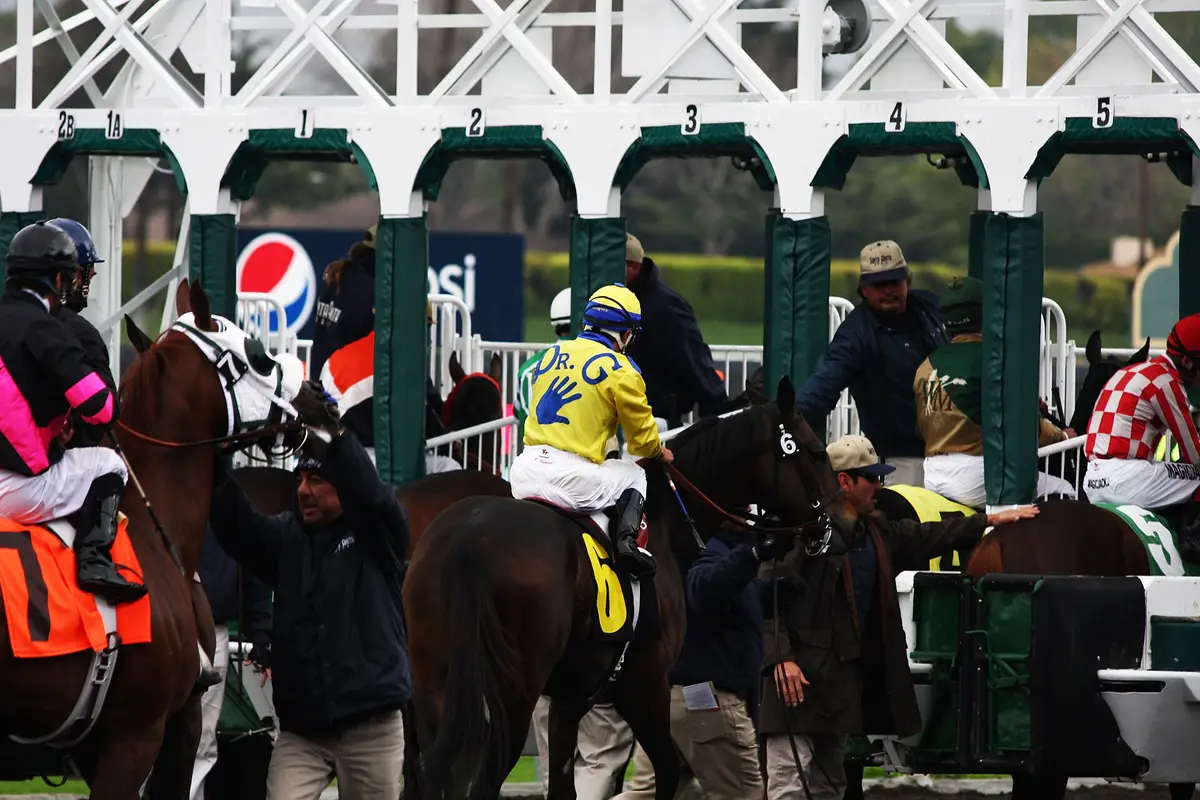

If you hold a Hong Kong PP or PPG permit, start with your trainer's brief, not a catalogue. For a PP, shortlist horses already racing in Europe or Australia, ask the Hong Kong Jockey Club for its rating before you buy, and make any deal subject to the Club's veterinary checks. This winter, Europe's autumn horses-in-training sales are on now; Australia and New Zealand's big yearling sales start in January. Allow weeks to months for the health protocol, pre-export isolation, the flight and quarantine in Hong Kong.
Mrs Wong (invented, 49, runs an import business in Kowloon, reads contracts for fun) has just been promoted from the reserve list. Her Brother Who Reads Form on the MTR (also invented) has sent her nine videos of horses he likes. Seven are retired. One is a cow.
This article is for her, and for every permit holder who now has a permit, a deadline and a slightly panicked family chat.
What should I read first?
If you are not yet sure what a PP or a PPG permit is, how the ballot works or what the rating minimums are, read our Hong Kong PP and PPG permits explained first. This guide picks up where that one stops: you have the permit, and now you need the horse.
In one line: a PP (Private Purchase) is a horse that has already raced overseas and must meet the Club's minimum Hong Kong rating; a PPG (Private Purchase Griffin) is an unraced horse. The rules are the Club's, they change, and your trainer is your best guide to the current ones.
One thing to know on day one: the Hong Kong Jockey Club gives successful permit holders a set time to find a horse, or the permit is lost. Find out your exact deadline in writing, then plan backwards from it. Your permit letter is more important than any video your brother sends.
Should I buy from Europe or Australia?
Both work. The right answer depends on your trainer's brief, the rating you need, the age profile, and how quickly the horse must arrive. Start from the brief, not from the map.
| Question | Europe (Britain, Ireland, France) | Australia and New Zealand |
|---|---|---|
| Birthdays | Northern Hemisphere: horses age on 1 January | Southern Hemisphere: horses age on 1 August |
| What is on this winter | Horses-in-training sales right now; December Sales from 23 November | Spring racing now; big yearling sales from January; two-year-old and ready-to-run sales later |
| Typical profile | Milers and horses with room to improve, many with turf form only | A long record of sprinters and speed horses for Hong Kong |
| Travel | Long-haul flight | Shorter flight, the same region of the world |
| The Brother says | "Too far." | "Too close." (He is consistent about nothing.) |
Hong Kong racing at Sha Tin and Happy Valley rewards speed, so many trainers look for sprinters and milers, often aged three or four, who can clear the PP rating minimum with a margin. A horse that only just clears it today has very little room for a bad day tomorrow.
Europe has one quiet advantage this autumn: the sheer number of horses in training changing hands in a few weeks. Australia has another: speed, and a shorter journey. We search both, and the rest of the world too, because the right horse does not care which hemisphere you prefer.
Which sales are on this winter?
Europe's autumn horses-in-training sales are on now, the Tattersalls December Sales follow, and Australia and New Zealand's yearling season starts in January. Private purchases run all year and are often the best route for a PP.
| Sale | When (as listed) | Useful for |
|---|---|---|
| Tattersalls Autumn Horses in Training, Newmarket | 26 to 29 October 2026 | PP candidates with form |
| Goffs Autumn HIT and Yearling Sale, Ireland | 2 to 5 November 2026 | PP candidates; some yearlings for PPG |
| Arqana Autumn Sale, Deauville | Mid-November (listed 16 to 19 November; check official site) | French-raced horses in training |
| Tattersalls December Yearling Sale | 23 November 2026 | Late yearlings: a PPG thought for patient owners |
| Big yearling sales in Australia and New Zealand | From January 2027 (check official sites) | PPG candidates |
| Two-year-old and ready-to-run sales, Europe, Australia and New Zealand | Mostly spring 2027 (check official sites) | PPG candidates you can see galloping |
| The Hong Kong International Sale (HKJC) | Check the Club's website. The 2026 edition moved from March to July because of quarantine complications. | Horses already in Hong Kong, for permit holders |
| Private purchase, worldwide | Any time | Often the best route for a PP with the right rating |
To bid at a European sale from abroad you register with the sale company first, at least 7 days ahead at Tattersalls. See buying at Tattersalls from overseas, our horses in training sales guide and the sales we buy from.
What does the buying timeline look like, step by step?
Brief, shortlist, rating, vetting, purchase, permit, pre-export isolation, flight, quarantine, settling. The order matters more than the speed: the expensive mistakes come from doing step five before step three.
| Step | What happens | Mrs Wong does | The Brother does |
|---|---|---|---|
| 1. Brief | Your trainer sets the profile: PP or PPG, distance, age, rating target, budget. | Writes it down. | Says "fast". |
| 2. Shortlist | We search sales and private sellers worldwide; you get form, video and our notes. | Reads it. | Watches one video on mute. |
| 3. Rating (PP) | Your trainer asks the Club to rate the horse. Overseas ratings do not count directly. | Waits for a number. | Has already chosen a name. |
| 4. Vetting | Independent vet: X-rays, wind, heart, blood tests. Then the Club's own pre-import veterinary requirements. | Reads the report. | Reads the price. |
| 5. Purchase | Buy, ideally subject to the rating and the vet checks. Insure at once. | Signs. | Celebrates early. |
| 6. Permits and protocol | An AFCD special permit for the import, plus the export health protocol agreed between the two countries. | Checks the dates. | Asks what AFCD stands for. |
| 7. Pre-export isolation and flight | Isolation and tests in the exporting country, then the flight. | Waits. | Books a lunch at Sha Tin. |
| 8. Quarantine and settling | Quarantine at Hong Kong Jockey Club facilities, then the trainer's programme and trials. | Trusts the trainer. | Cancels the lunch. Rebooks it. |
Our permits guide sets out the isolation and quarantine periods we work to. Protocols differ by country and can change, so we ask the shipper and your trainer for a written timeline before you buy, and we check it against your permit deadline. If the dates do not fit, we change the horse or the plan. We do not change the dates and hope.
A note on the AFCD permit
Hong Kong's Agriculture, Fisheries and Conservation Department issues a special permit for every horse import. It says to apply well in advance, that the permit is valid for six months and one consignment, and that the horse must arrive before it expires. It also warns that anything you prepare before approval is at your own risk. Your trainer and shipper usually handle this, but you should know it exists, because "nobody applied" is a very boring reason to miss a deadline.
The Silk Road Letter
Twice a month: the sales worth watching, what horses really cost, and the catalogue jokes nobody tells you. Free. Unsubscribe in one click.
What should the vet check for a Hong Kong horse?
Everything a normal pre-purchase vet checks, plus the things that matter most for a long flight, quarantine and fast racing on firm ground: limbs, wind, heart and temperament.
- Limbs and X-rays: Hong Kong rewards speed, and speed is hard on legs. Your own vet should read the X-rays, not just the seller's summary.
- Wind: a scope, ideally after exercise. A horse that makes a noise at 1,200 metres has told you something.
- Heart and bloods: standard, and essential before a long journey.
- Temperament: quarantine, a new climate and a busy training centre suit a calm horse. Ask how it loads, travels and eats away from home.
- The Club's requirements: the HKJC has its own veterinary requirements for imports. Do not buy before you have written vet clearance.
More in racehorse vetting: what a vet check can and can't tell you, and how to protect a big racehorse purchase.

How is buying a PP different from buying a PPG?
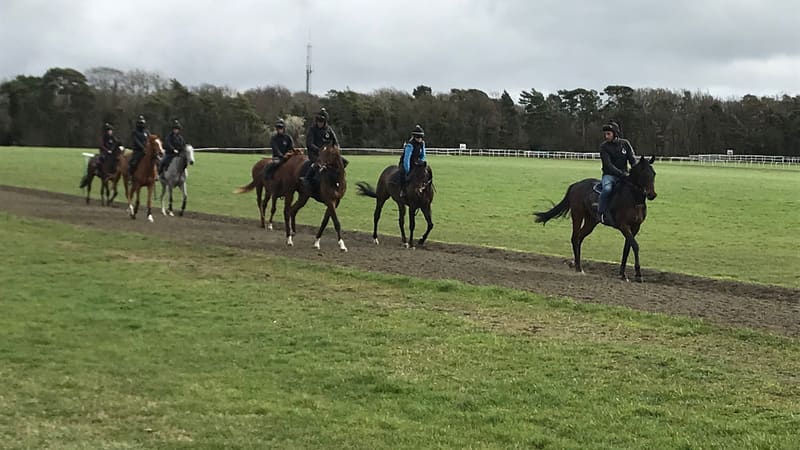
A PP is bought on form and the Club's rating, so you can see what you are paying for. A PPG is bought on pedigree, physique and, at a two-year-old sale, a short gallop, so you are paying for potential.
Buying a PP
- Form first: races, times, the ground it handled, how it finished.
- Rating with a margin: a horse that clears the minimum comfortably gives you room for a bad day.
- Starts and age: check the Club's current limits before you fall in love. Our permits guide lists them.
- Prices: a proven horse with a rating that suits Hong Kong is in demand from buyers all over the world. Expect competition.
Buying a PPG
- Type: trainers in Hong Kong often like early-maturing, strong, speedy types.
- Two-year-old and ready-to-run sales: you see the horse gallop before you bid. That is not a guarantee, but it is information.
- Patience: a griffin needs time before its first trial. Plan for that in your head and in your budget.
Our guide yearling, breeze-up or horse in training compares the routes with real sale medians, and how to read a sales catalogue page will save you from at least one expensive misunderstanding.
What will it cost, and what should I ask for in writing?
The horse, the vet, the flight and quarantine, the Club's import payment, then training. Ask for every item in writing before the horse travels.
- The horse: price, sale-house charges and any tax on export.
- Vetting: X-rays, scope and bloods, plus any extra checks the Club requires.
- Shipping: pre-export isolation, health certificates, the flight and quarantine.
- The Club's import payment: reported as HK$100,000 per new horse, going to the Club's retired racehorse programme. Check the current figure.
- Training: the HKJC capped the basic livery fee at HK$30,000 a month from 2025. Ask your trainer what is and is not included.
- Insurance: from the moment you own the horse, including the journey.
- Our fee: 5% of the purchase price, minimum US$5,000, agreed in writing before we start.
The Club also offers incentives for higher-rated PP imports. They are a nice extra, not a plan. For full worked examples, see what a racehorse really costs.
Owning a racehorse is a passion, not a way to make money. Mrs Wong has a spreadsheet. Prize money is in it, in grey, under "pleasant surprises".
What are the most common mistakes permit holders make?
Buying before the rating, buying before the vet, ignoring the permit deadline and buying the horse the family likes instead of the horse the trainer asked for.
- Buying first, rating later. The Club's number is the one that counts.
- Trusting a summary vet report. Your vet, your X-rays, your questions.
- Forgetting the deadline. Write it on the fridge. In red.
- Buying a stayer for a sprinter's job. Lovely horse. Wrong city.
- Choosing by video. The Brother's favourite clip was from 2014. The horse is now a riding pony in Kent.
- No written timeline. If nobody has written down the shipping dates, nobody has checked them.
A plain word before you buy
A permit is a rare thing: hundreds of owners apply for it every year and many do not get one. It deserves a horse chosen carefully, rated before you pay, vetted by someone working for you, and shipped on a timeline someone has actually written down.
We cannot promise a win, a rating, a trial result or a bonus. Nobody honest can, and we never give betting tips. What we can promise is a careful worldwide search, an independent vet, clear written terms, close work with the licensed trainer you have chosen, and plain reports by email, in your time zone.
Mrs Wong now has a timeline taped to the fridge. The Brother has been given an important job: finding a lucky number for the horse's name. He has chosen 8. Everyone is happier.
Turn your permit into the right horse, on time.
Email us your trainer's brief and your permit deadline. We source the best horses in training and young horses from sales and sellers all over the world, with independent vets and clear written terms. If your deadline is too tight for the horse you want, we will tell you on day one.
Email info@silkroadbloodstock.com first, from anywhere in the world. Phone +971 52 311 2385 second (Dubai, GMT+4). WhatsApp as backup.
5% fee (min US$5,000), agreed in writing. You pay the seller directly; your money never goes through us. If we are ever paid by both sides, both are told in writing first.
Already own a horse, or want to sell one?
Licensed trainers train; we help you choose one, place the horse and supervise the plan. Selling a horse with a Hong Kong profile? We find the right buyer, worldwide.
Know a permit holder? Our introducer programme pays 20% of our fee on deals you introduce, paid from our fee and disclosed to the client in writing.
Related guides
- Hong Kong PP and PPG permits explained for owners
- Tattersalls December Sales 2026: the buyer's guide
- Melbourne Cup 2026: why European-bred stayers win
- Racehorse transport: flying a horse worldwide
The Silk Road Letter
Twice a month: the sales worth watching, what horses really cost, and the catalogue jokes nobody tells you. Free. Unsubscribe in one click.
Frequently asked questions
Should a Hong Kong owner buy a PP from Europe or Australia?
Either can work. Australia and New Zealand have a long record of supplying sprinters to Hong Kong and are closer. Europe offers a large pool of horses in training this autumn, especially milers and horses that may improve. Start from your trainer's brief and the HKJC rating, not from the map.
Can I buy a PP horse before the Hong Kong Jockey Club rates it?
You can, but you should not. A PP horse must reach the Club's minimum Hong Kong rating, and the Club rates the horse itself. Ask your trainer to request the rating and make any purchase subject to it and to the Club's veterinary checks.
Which sales are on this winter for Hong Kong buyers?
In Europe: the autumn horses-in-training sales at Tattersalls (26 to 29 October 2026), Goffs (2 to 5 November 2026) and Arqana (listed for mid-November), and the Tattersalls December Sales from 23 November. In Australia and New Zealand, the big yearling sales run from January, with two-year-old and ready-to-run sales later. Check each sale company's website for dates.
How long does it take to get a horse to Hong Kong?
Allow several weeks to a few months from purchase to arrival, depending on the country, the health protocol, pre-export isolation, flights and quarantine in Hong Kong. Ask your shipper and trainer for a written timeline before you buy.
Does Silk Road Bloodstock train horses?
No. Licensed trainers train. We search for and help you buy a horse that fits your Hong Kong trainer's brief, arrange independent vetting, and coordinate the purchase and shipping.
Spotted an error? Email info@silkroadbloodstock.com and we will fix it within 48 hours.
Sources
Checked 23 October 2026. Rules, fees and dates are set by the Hong Kong Jockey Club, the AFCD and the sale companies and can change; always check their official websites.
- HKJC, Previously Raced Horses (PP) Import Criteria
- Thoroughbred Daily News, "Minimum ratings reduced for PP imports in HK"
- AFCD, Import of horses into Hong Kong (special permit, valid six months for one consignment; quarantine facilities at the HKJC)
- TTR AusNZ, 3 July 2026 (Hong Kong International Sale moved from March to July over quarantine; permit holders have a set time to find a horse; HK$100,000 payment to the retired racehorse programme)
- HKJC, ownership boosts, February 2025 (livery cap, PP incentives)
- HKJC, horse import permit ballot
- Tattersalls, Autumn Horses in Training Sale
- Irish Thoroughbred Marketing, Irish horse sales 2026 (Goffs Autumn HIT and Yearling Sale 2 to 5 November 2026)
- Tattersalls, December Sales 2026 (December Yearling Sale 23 November, as listed)