The Silk Road Journal · Buying
Racehorse Vetting: What a Vet Check Can and Can't Tell You
The vet looks at the X-rays for a long time. Then he says "hmm". Here is what a vetting checks, what it costs, and what it never can promise.
A light-hearted guide. Faris, Auntie Mariam and the Man Who Knew the Sire are invented. Facts are sourced at the end. This is not veterinary advice: always ask your own vet.
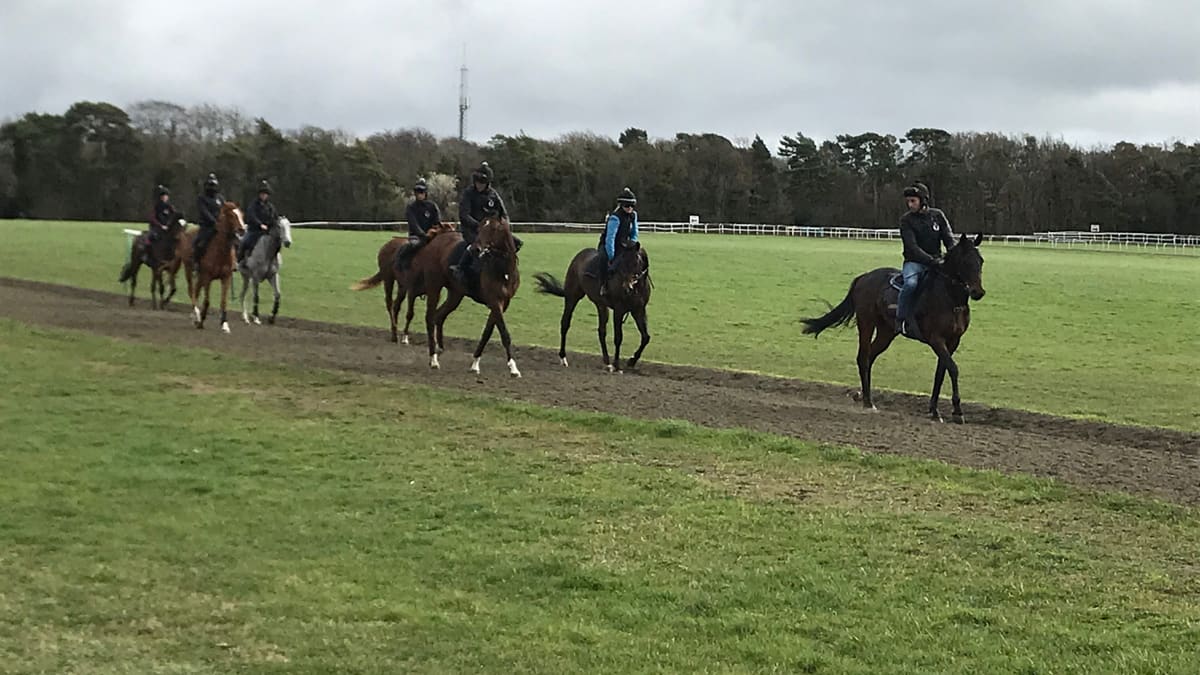

A vetting (pre-purchase examination) is a vet's opinion on whether a horse suits your plans, on the day it is seen. It covers the heart, eyes, wind and movement, plus X-rays and a scope if you ask. It is not a pass or fail, and it cannot promise future soundness or a single win.
Faris has found his horse. He knows because the Man Who Knew the Sire told him so, twice, over coffee. Auntie Mariam asked one question: "And what did the vet say?" Nobody had asked the vet. This article is for everyone in that room.
What is the difference between a 2-stage and a 5-stage vetting?
The British Equine Veterinary Association (BEVA) sets out 5 stages. A 2-stage vetting is stages 1 and 2: a full exam at rest, then a walk and trot in hand. It takes about an hour.
A 5-stage vetting adds hard exercise, a rest and a second trot-up. It can take up to 2.5 hours and needs a rider. The extra work can show subtle lameness and heart or breathing problems that hide at rest.
Stage 1 includes the eyes, checked in a darkened stable, plus the heart and lungs. It is the only meeting in racing where the horse gets more questions than the owner.
What is the X-ray repository at a sale?
At Tattersalls, sellers may lodge X-rays and scope videos in a repository before the sale. It is voluntary. Only registered vets can view the files. You cannot, however strongly you nod at them.
The rules are strict, which is good news for buyers. For a horse in training, X-rays must be taken within 14 days of the sale's first day. Tattersalls does not view the files and gives no warranty on them. The seller is responsible, and can ask who has looked.
At auction, your vet's pre-bid check is short. Tattersalls' guidance says it is "necessarily and significantly limited" and "not equivalent" to a full private vetting. Your vet also needs the seller's permission first.
What does a wind test or endoscope show?
An endoscope is a thin camera passed up the nose. It lets the vet watch the larynx (the voice box) open and close. Vets grade how well it works. A horse that "makes a noise" at speed may have a wind problem.
For the repository, Tattersalls asks for at least 45 seconds of clear larynx footage, ideally 60.
After a horses-in-training sale, a buyer can refer a horse for its wind. A vets' panel tests it under ridden exercise on Newmarket Heath. The losing side pays a fee: £650 plus VAT in the current notice. That is a very expensive way to win an argument, and an even more expensive way to lose one. Our Tattersalls buying guide explains the timings.
What does 'sound' actually mean?
"Sound" means no lameness was found at the time of the exam. That is all. It does not mean the horse will stay sound. It says nothing about next year's vet bills.1
1 The footnote would like it known that "sound in wind and limb" is a sentence, not a promise.
The Silk Road Letter
Twice a month: the sales worth watching, what horses really cost, and the catalogue jokes nobody tells you. Free. Unsubscribe in one click.
Why is a vetting an opinion, not a pass or fail?
The vet reports risk for your use. The British Horse Society says your vet is "unlikely to 'pass' or 'fail' a horse". The UK vets' regulator, the RCVS, calls a vetting "an indication, not a guarantee".
So the same horse can suit one buyer and not another. When the vet says "hmm", ask what it means for your plan. In our experience, "hmm" is the most expensive word in English.
Why does the vet take a blood sample?
At a private vetting, a blood sample is usually taken and stored, often for about 6 months. If a question comes up after you buy, it can be tested for drugs. Cambridge's vet hospital notes it is not used to check for illness.
At Tattersalls, nobody may take blood from a horse without the seller's written permission. Buyers can ask for a drug test on the Purchase Confirmation Form, which costs £540 plus VAT in the current guidance.
What can a vetting not tell you?
- The future. It covers one day only.
- Speed. No scan shows talent or courage. The Man Who Knew the Sire says he can see both from the car park. He cannot.
- Hidden history, unless the seller declares it. BEVA has a seller declaration form; ask for it.
- Fitness for purpose at auction. Tattersalls' terms say no term is implied that a horse is of satisfactory quality or fit for training.
- Anything you did not ask for. X-rays and scopes are extras.
Insurance and contracts are in our guide to protecting a racehorse purchase.
Do sport horses have different X-ray standards?
Often, yes. In Germany, new X-ray guidelines from the Society for Equine Medicine (GPM) came into force on 1 April 2026. For sound warmbloods aged 3 and over, the standard set rose from 18 views to 22. They apply in Germany only.
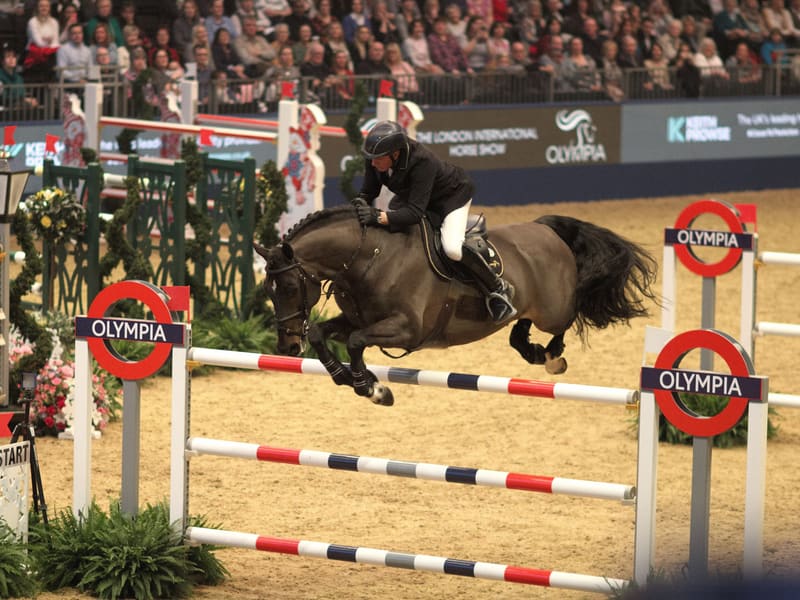

Racing has its own BEVA list. Ask your vet which set fits the horse and the country.
Your vetting checklist
| Check | Private vetting | At the sale (pre-bid) | Ask yourself |
|---|---|---|---|
| Time with the horse | 1 hour (2-stage) to 2.5 hours (5-stage) | Short | Is it enough for this price? |
| Who chooses the vet | You | You, with seller's permission | Is the vet independent of the seller? |
| X-rays | Extra, on request | Repository, vets only, if lodged | Were they taken within the deadline? |
| Scope (wind) | Extra, on request | Repository, if lodged | Is the video 45 seconds or more? |
| Blood sample | Usually stored | Only with seller's written permission | Will it be stored, and for how long? |
| After you buy | Your contract terms | Conditions of sale only | What can be returned, and by when? |
What does a vetting cost in 2026?
These are published UK prices, including VAT, checked on 22 October 2026. Visit fees are extra, and prices differ in other countries.
- 2-stage: about £260 to £290.
- 5-stage: about £390 to £410, with blood storage.
- X-ray packages: about £395 to £650 at the Royal Veterinary College, depending on the areas covered.
Prices change yearly. Compared with the horse, the vetting is the cheapest bill you will ever be glad you paid. Our full guide to what a racehorse really costs adds the rest. Auntie Mariam has already read it, twice.
Faris did get his vetting in the end. The vet said "hmm" only once, and it was a short one. Auntie Mariam has asked for a copy of the report.
Want a horse checked properly before you buy?
We help clients buy the best Thoroughbreds, Arabians and sport horses from all over the world, with independent vets and trainer partners. Email us your budget, your plans and where you live and race.
Email info@silkroadbloodstock.com first, from anywhere in the world. Phone +971 52 311 2385 (UAE) second. WhatsApp as backup.
5% fee (min US$5,000), agreed in writing. You pay the seller directly; your money never goes through us. If we are ever paid by both sides, both are told in writing first.
Selling a horse?
List it free, wherever it is trained. You pay 5% only if it sells to a buyer we introduce (including through our site), within 6 months of the introduction.
Related guides
- How to read a sales catalogue page in 10 minutes
- What does a bloodstock agent do? (And what 5% pays for)
- What does a racehorse really cost? The honest 2026 guide
The Silk Road Letter
Twice a month: the sales worth watching, what horses really cost, and the catalogue jokes nobody tells you. Free. Unsubscribe in one click.
Frequently asked questions
Is a 2-stage vetting enough for a racehorse?
It depends on the price and the job. Ask your vet.
Can I see the repository X-rays myself?
No. At Tattersalls, only registered vets can view them.
Does a good vetting guarantee the horse?
No. It is an opinion on one day, not a guarantee of soundness or results.
Who pays for the vetting?
Usually the buyer, because the vet acts for the buyer. At a wind panel, the losing side pays.
Spotted an error? Email info@silkroadbloodstock.com and we will fix it within 48 hours.
Sources
Checked 22 October 2026.
- BEVA, PPE guide: the five stages
- RCVS, Supporting guidance 7: equine pre-purchase examinations
- University of Liverpool Equine Practice, pre-purchase examinations (timings, rider)
- Cambridge University Equine Hospital, vettings (blood sample, no guarantee)
- British Horse Society, pre-purchase veterinary examination (no pass/fail, X-rays extra, blood stored 6 months, seller declaration)
- Royal Veterinary College Equine Practice, price list (checked 22 October 2026)
- Stable Close Equine (Horsevet), price list (checked 22 October 2026)
- Tattersalls, Notices to Purchasers: Repository and Repository Rules
- Tattersalls, BEVA radiograph views and endoscopy guidelines for horses submitted for sale (updated March 2024)
- Tattersalls, Guidance for Purchasers (pre-bid inspection, wind returns £650 + VAT, drug test £540 + VAT)
- Tattersalls, Breeze Up Sales 2026 Sale Information Notice (repository, wind returns at Warren Hill)
- Examion, new German X-ray guideline for pre-purchase exams (GPM, 1 April 2026, 18 to 22 views)