The Silk Road Journal · Ownership
Choosing a Racehorse Trainer: 12 Questions to Ask Before You Sign
Choosing a trainer is like choosing a headmaster, a personal coach and a pen pal at the same time. Here are the 12 questions to ask before you sign, wherever your horse will race.
A light-hearted guide. Faris, Auntie Mariam and the Trainer Who Sighs are invented; no real trainer is described. Facts are sourced at the end. Fees and rules change: always check with the racing authority where your horse races.
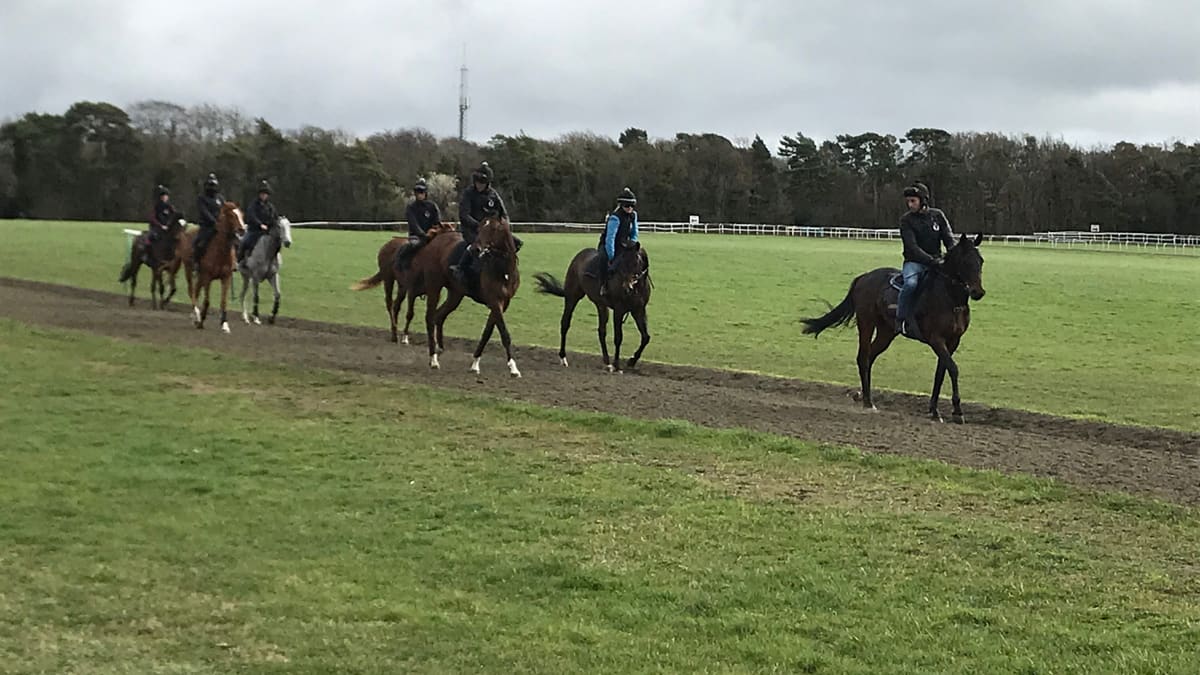

To choose a racehorse trainer, check the licence, ask how big the yard is and who rides your horse, get every fee and extra in writing, agree how often you will hear from them, and ask how they plan races and handle setbacks. Then sign a written agreement. A good trainer welcomes these questions.
Faris interviewed his first trainer the way he interviews suppliers: spreadsheet open, pen clicked, twelve questions ready. He got through three before the Trainer Who Sighs offered him tea, which in our trade means "you may stay". Auntie Mariam, who has kept the family accounts for 30 years, had sent one question by text: "Ask what is not included." It was the best question of the day.
Here are all twelve. What happens after you sign is in our sister guide, your first 90 days as a racehorse owner.
1. Is the trainer licensed, and by whom?
Only a trainer licensed by the racing authority where your horse will race can train it to run there. Ask which authority licenses them, and check. In Britain, a full BHA licence needs a modular training programme plus checks. A "permit" is narrower: only horses owned by the trainer or close family.
Then ask about the yard: the gallops, the boxes, a walker or pool, and how far it is from the races you want. A lovely kitchen is not a gallop. Ask to see both.
2. How many horses do they train, and for how many owners?
Ask how many horses are in the yard, how many staff care for them, and how many owners they work for. There is no perfect number. A small yard may give more personal attention; a large one may have more staff and facilities. What matters is that your horse gets a plan, not a slot.
Also ask what kind of horses they do best with. If the yard mostly trains jumpers and you bought a two-year-old sprinter, ask why they want him. Faris asked for a horse-to-staff ratio. He got the long sigh, which means "good question, wrong decade".
3. Who rides my horse in work?
Ask who rides your horse in its morning work, and whether it is usually the same rider. Regular riders learn a horse's habits. Ask who gives feedback after a gallop and how it reaches you. Jockeys who school a horse may charge for it; the UK owners' body, the ROA, lists jockey schooling fees as an extra.
Horse's Diary, Day 9: A new human rode me. He talked less than the last one. I preferred him. I ate.
4. What exactly is in the monthly bill?
The training fee is the base; extras come on top. The ROA lists farrier, vet, physio and dentist, gallops fees, clipping, supplements, transport, entries and jockey fees. The BHA says trainers' daily fees "can vary greatly", so compare what each fee includes.
Some real British numbers from the ROA: a Flat jockey's riding fee is £173.54 from 1 January 2026 (£235.90 over Jumps), and trainers normally take 5% commission if they sell your horse. The ROA's own cost survey dates from 2015, when a Flat horse in training averaged £22,595 a year. Treat that as a floor, not a forecast.
The Cost-Meter: training fee, plus farrier, plus vet, plus one strong opinion. It only moves one way. Our guide to what a racehorse really costs has the numbers country by country, from Newmarket to Hong Kong.
5. Is there a written agreement, and what is the notice period?
Always sign a written training agreement. In Britain, BHA rules require one, and the ROA and the trainers' federation (NTF) publish a template. It sets the fee, regular expenses, the trainer's authority to spend on extras such as vet fees, how changes are notified, and how you pay.
The ROA's minimum list does not mention a notice period, so ask for one and write it in: how many days' notice either side gives before the horse moves, and what is due on leaving. Ask whether there is a trainer's lien (a right to keep the horse until bills are paid). Australia has a Standard Training Agreement under Racing Australia's trainer and owner rules; elsewhere, ask the racing authority. A good agreement is boring. That is the point.
6. How often will I get updates and videos?
Agree it before you sign: for example, a short weekly message, a call after each serious piece of work, and video when possible. Ask who sends updates, by what route (email, app or message), and whether you hear even when the news is dull. Dull news is still news.
From the Glossary of Sighs: a good trainer translates them into words. The Trainer Who Sighs now sends a weekly email. It has three lines. One of them is a sigh, typed.
7. How do they choose races?
Ask how they plan: which distance, ground and class suit your horse, how far ahead they target races, and what the back-up is. A good trainer explains the reasoning. Ask whether they travel horses abroad and how the jockey is chosen. Nobody can promise a result; a clear plan is what you can ask for.
Faris asked about a Group 1. The trainer asked about a maiden. They agreed to start with the maiden. Faris's victory speech is now five minutes long and still has no race attached.
The Silk Road Letter
Twice a month: the sales worth watching, what horses really cost, and the catalogue jokes nobody tells you. Free. Unsubscribe in one click.
8. What happens if my horse is injured or not good enough?
Ask how and when you will be told about a setback, who the yard's vet is, and the spending limit above which they must call you. Ask where a horse rests and at what fee. And ask whether they will tell you, honestly and early, if the horse would suit a different level, job or owner.
This is the question that shows you the trainer. An honest "he is not good enough for this" in month three costs far less than hope in month twelve. The BHA also suggests talking to your trainer about retirement options. If selling becomes the right answer, we can help find the right buyer.
9. Can I visit, and when?
Most yards welcome owners, but they run to a routine: horses work early in the morning, and visits are usually booked ahead. Ask when you can watch your horse work, who will meet you, and any yard rules. If you live abroad, agree video calls on set days.
Faris arrived at 11 with a cake. The horses had worked at 7. The cake was very well received anyway.
10. Who insures the horse, and what does the yard cover?
Insuring the horse itself, for its value or vet fees, is usually the owner's choice. Ask the trainer what insurance the yard holds and what it covers, whether your horse is covered when travelling, and what the agreement says if something goes wrong at the yard. Read the exclusions before you sign.
Our guide to protecting a racehorse purchase has the questions for your broker.
11. How is prize money split?
The racing authority sets it, and it differs by country. In Britain, the BHA says owners receive 80% of the total prize fund on the Flat and 78.25% over Jumps. Trainers receive 7.85%; the rest goes to the jockey, stable staff and industry causes. It reaches your racing account 15 days after the race.
Ask whether the trainer charges anything on top, and get the local split in writing if you race elsewhere. Owning a racehorse is a passion, not a way to make money, so budget as if prize money never comes. Faris has spent his roughly fourteen times already.
12. Will you work with my agent?
Ask whether the trainer is happy to work with your bloodstock agent or adviser, share updates with them, and agree who does what. Many trainers like an owner with a clear plan and someone who reads the invoices. Licensed trainers train; an agent helps you choose the trainer, place the horse and supervise.
Your trainer interview checklist
| Ask about | A good answer sounds like |
|---|---|
| Licence | "Licensed by [authority]. Here is how to check." |
| Yard and staff | Clear numbers, and a plan for your horse |
| Work riders | Usually the same rider, with feedback to you |
| Fees and extras | A written list and itemised monthly invoices |
| Agreement | Signed, with a notice period and a vet spending limit |
| Updates | A set day, a set route, video when possible |
| Race plan | Targets and a back-up, explained |
| Setbacks | Told early, honestly, with the costs |
| Visits | "Book ahead and come to see him work." |
| Insurance | What the yard covers, and what it does not |
| Prize money | The local split, in writing |
| Your agent | "Happy to. Who gets the reports?" |
Faris did get through all twelve questions, on his second visit. The answer that decided it was Auntie Mariam's: the trainer showed him, line by line, what was not included.
Choosing a trainer is the most important decision after buying the horse. Take your time. Visit more than one yard if you can. Compare what each fee includes, not just the fee. Put everything in writing, including how you will be told bad news. If you live far from your horse, which many owners do, agree updates and a spending limit before the horse arrives.
We cannot promise a winner, and nobody honest can. What we can promise is honest advice, fees in writing, help choosing the right licensed trainer, and a clear answer when the answer is no. Our worldwide page explains how we work with owners in each country.
Want help choosing the right trainer?
We help clients buy the best Thoroughbreds from all over the world, choose a licensed trainer, place the horse and supervise the plan. Email us where you live, where you would like to race and your budget. Subject line: "Choosing a trainer".
Email info@silkroadbloodstock.com first, from anywhere in the world. Phone +971 52 311 2385 (UAE) second. WhatsApp as backup.
Already own a horse?
Our racehorse management service supervises the plan with your licensed trainer, from US$2,000 per horse per month, agreed in writing. Selling? List your horse free.
Related guides
- Your first 90 days as a racehorse owner: trainer, paperwork, silks
- What does a racehorse really cost? The honest 2026 guide
- What does a bloodstock agent do? (And what 5% pays for)
- Our licensed trainer partners
- Worldwide: how we work with owners in any country
- Meet Sami Adham
The Silk Road Letter
Twice a month: the sales worth watching, what horses really cost, and the catalogue jokes nobody tells you. Free. Unsubscribe in one click.
Frequently asked questions
What should I ask a racehorse trainer before I sign?
Ask about their licence, the size of the yard, who rides your horse, every fee and extra, the written agreement and notice period, updates, race planning, setbacks, visits, insurance, the prize money split, and whether they work with your agent.
What extras come on top of racehorse training fees?
Typical extras include vet, farrier, physio and dentist, gallops fees, transport, race entries and jockey fees. Ask for a written list and itemised monthly invoices.
Do I need a written agreement with a racehorse trainer?
Yes. In Britain the BHA requires a signed training agreement between owner and trainer, and the ROA and NTF publish a template. We advise one wherever your horse races.
Does Silk Road Bloodstock train racehorses?
No. Licensed trainers train. We help clients choose the right licensed trainer, place the horse and supervise the plan, with reports by email.
Spotted an error? Email info@silkroadbloodstock.com and we will fix it within 48 hours.
Sources
Checked 22 October 2026. Fees change; always confirm with the racing authority.
- BHA, Owners' toolkit (written agreement, ROA/NTF template, daily fees "can vary greatly", prize money 80% / 78.25%, trainer 7.85%, paid after 15 days, retirement options)
- BHA, Licensing: trainers (modular training programme)
- British Racing School, How to become a trainer (licence modules; permit to train)
- ROA, Costs of ownership (extras list, jockey fees from 1 January 2026, 5% sale commission, 2015 survey £22,595 Flat)
- ROA, Training agreement reminder (drawn up with the NTF; BHA minimum terms; trainer's lien)
- Racing Australia, Trainer and Owner Reforms (Standard Training Agreement)