The Silk Road Journal · Ownership
Your First 90 Days as a Racehorse Owner: Trainer, Paperwork, Silks
Congratulations: you own a racehorse. You also own a monthly invoice, a login and a strong opinion about gold silks. Here is the new owner checklist, wherever your horse races.
A light-hearted guide. Faris, Auntie Mariam and the Trainer Who Sighs are invented. Facts are sourced at the end. Rules and fees change: always check with the racing authority where your horse races.
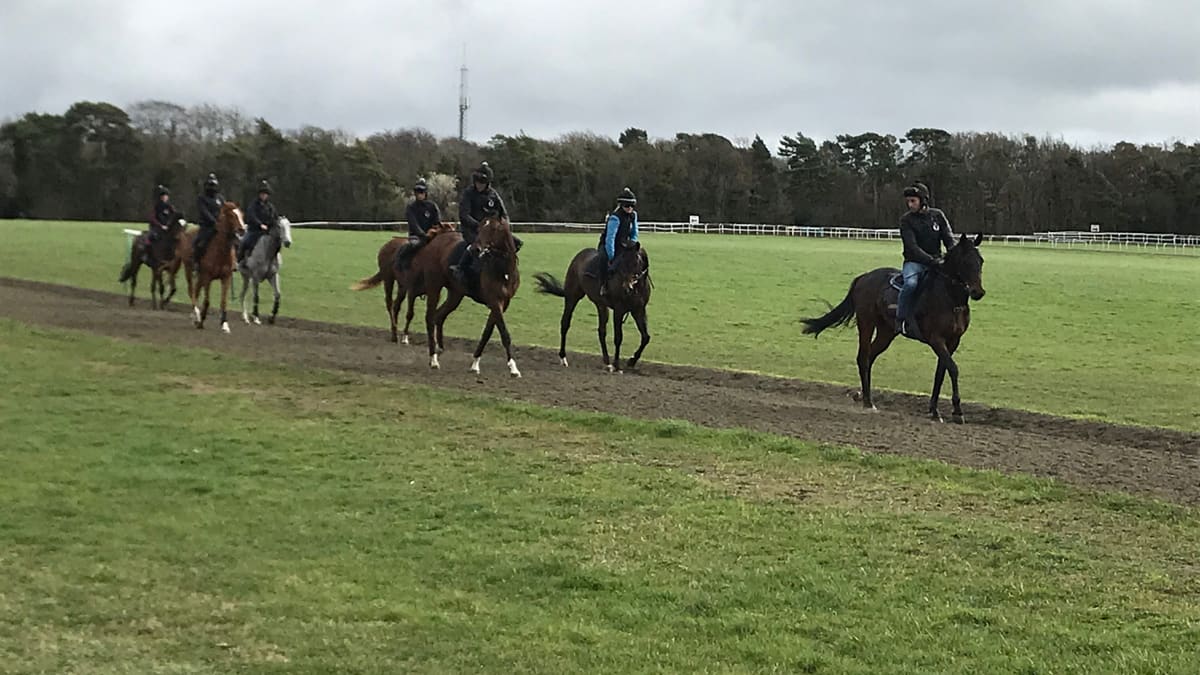

In your first 90 days as a new racehorse owner: choose a licensed trainer and sign a written agreement, register as an owner with the racing authority where the horse races, register colours if you race in your own name, sort out insurance, and agree how vet and farrier bills are approved. Then wait for the trainer to say "ready". Nobody can promise a win. A good plan makes the year enjoyable.
Faris bought his first horse on a Tuesday. By Wednesday he owned a racehorse, a monthly invoice, a racing authority password and a firm view that his silks should be plain gold. Auntie Mariam, who has kept the family accounts for 30 years, asked only one question: "Who sends the bill, and when?" Nobody knew. This checklist is for everyone in that room.
How do I choose a racehorse trainer?
Choose a trainer licensed by the racing authority in the country where the horse will race, then put the terms in writing before the horse arrives. Britain's racing authority, the BHA, says it is "important to have a written agreement in place between you and your trainer", and owners' and trainers' groups publish a template.
A good agreement covers five things:
- The training fee, daily or monthly.
- The extras: vet, farrier, transport, entries and jockey fees.
- When you pay, and how the invoice is itemised.
- Notice if either side wants the horse to move.
- A spending limit: above it, the trainer calls you before spending.
That last line has saved more friendships than any speech at a dinner. Bills usually come monthly. Ask for one clear invoice a month, not a drip of surprises.
The Trainer Who Sighs listened to Faris's plan for twenty minutes. Then he gave the short sigh, which means rain, and the long one, which means "let's see him gallop first". Both were correct.
How do I register as a racehorse owner?
You register with the racing authority of the country where your horse is trained and races. Where you live does not decide it; your trainer's licence does.
- Britain: sole and company owners apply on the BHA website. Checks "can take up to two working days". Then you manage everything in Racing Admin, give your trainer an "authority to act" so they can make entries, and open a racing account for entry fees and prize money.
- Ireland: Horse Racing Ireland's Registrations team registers owners, colours and authorities to act. Owners who live abroad still register if the horse is with a licensed Irish trainer.
- UAE: the Emirates Racing Authority runs racing; its Registry Office registers horses and handles entries. Our guide to your first season in Dubai has the details.
- USA: each state racing commission licenses owners. In Delaware, for example, anyone with a 5% or more interest in a horse must be licensed. See buying from the USA.
- Hong Kong: the Hong Kong Jockey Club approves owners, and a privately bought horse from abroad needs a PP or PPG import permit from the Club's yearly ballot. See our Hong Kong page.
- Australia: owners and colours are registered through the state racing bodies, such as Racing NSW, working with Racing Australia's registrar. See Australia.
- Japan: the JRA registers owners and checks their income and assets. It publishes a separate guide for non-residents. See Japan.
Faris filled in his first form in eleven minutes. Auntie Mariam checked it in four and found both typos.
How do I register racing colours?
Racing colours (silks) are the jacket and cap your jockey wears. You register them with the racing authority, usually online, and renew them. In Britain they are needed only if a horse runs in your own or your company's name.
- Britain: the BHA offers 18 colours with set body, sleeve and cap designs, checked online. A bespoke design costs £5,000 plus VAT if approved. You can also buy "vintage" colours registered for over five years; when we checked, prices ran from £750 to £85,000. Colours renew yearly, unless you pay for 5, 10 or 20 years.
- Ireland: HRI checks your design through its team colours app or by phone, and renews colours automatically each year.
- Australia (NSW): Racing NSW charges A$110 to register, then A$150 for each five years. The renewal date is 1 August, with payment due by 31 August; miss it and the colours can go to someone else.
- Japan: the JRA lists ¥3,000 for colours, plus ¥10,000 owner registration and ¥90,000 registration tax for first-time owners.
- USA: colours are usually registered with the state commission alongside your owner licence. Maryland requires yearly registration on the licence application.
- UAE and Hong Kong: ask the racing authority, or ask us. Your trainer will know the form.
Faris wanted plain gold. So, it turns out, did everybody since roughly the invention of gold. Have three designs ready. The horse does not mind what anyone wears. He has never once asked.
The Silk Road Letter
Twice a month: the sales worth watching, what horses really cost, and the catalogue jokes nobody tells you. Free. Unsubscribe in one click.
Do I need insurance for a racehorse?
Insurance is usually your choice, not a racing rule. Owners of a valuable horse often insure its value, and some add cover for vet fees. Read the exclusions and the claim deadlines before you sign.
Ask your broker what is covered in transit, at the sales and abroad. Insurance is the only part of ownership that hopes never to hear from you again. Our guide to protecting a racehorse purchase has the questions to ask.
What do vet and farrier bills look like?
They arrive on top of the training fee and vary by country and yard. Ask the trainer what a horse like yours cost last year, and put a spending limit in the agreement.
Then the Mariam Audit. Auntie Mariam read the first invoice aloud: training fee, farrier, dentist, worming, and "sundries". She stopped at "sundries". Silence followed. The next month, "sundries" came with a list. Itemised invoices are not rude. They are normal.
For real numbers by country, see what a racehorse really costs.
When will my horse run for the first time?
When the trainer says the horse is ready, not when your diary is free. The trainer enters the horse for you, using the authority you gave them.
In Britain, the BHA toolkit says you pay an entry fee, there is no fee to declare a horse to run, and prize money is paid into your racing account 15 days after the race. Owners receive 80% of the total prize fund on the Flat and 78.25% over Jumps. Other countries differ; ask your trainer.
Horse's Diary, Day 61: Humans visited. They brought a camera and a great deal of hope. I ate. Fine day.
What should a new owner expect in the first season?
Expect a plan, honest updates and patience. Many horses need time; some change distance or surface before they find their level. Owning a racehorse is a passion, not a way to make money, and nobody honest can promise wins.
Faris's winning speech is now four minutes long. It thanks the horse, the trainer, Auntie Mariam and, for reasons nobody understands, the airline. He has not yet had a runner.
What should I ask my trainer each week?
Ask short, regular questions, and ask for video when you can. A good trainer welcomes them.
- How did he eat, and how did he work this week?
- Any vet or farrier visits, and what did they cost?
- What is the next target race, and the back-up?
- Is the distance and ground right for him?
- What would you change?
- When can I visit?
From the Glossary of Sighs: a double sigh means the owner has started planning the celebration again. Faris gets a lot of double sighs.
Your first racehorse owner checklist
| When | Do this | Ask yourself |
|---|---|---|
| Days 1-14 | Choose a licensed trainer. Sign a written agreement. | Is there a spending limit? |
| Days 7-30 | Register as an owner. Give the trainer authority to act. | Is it the right country's authority? |
| Days 15-45 | Register colours (three designs ready). Arrange insurance. | What does the policy exclude? |
| Days 30-90 | Read every monthly invoice. Agree a first target race. | Would Auntie Mariam sign this? |
| Every week | Ask the six questions. Ask for video. | Do I know how he is? |
The first 90 days are mostly paperwork, and good paperwork is quiet. The owners who enjoy racing most usually did three things early: they chose a trainer they trust, agreed costs in writing, and set honest expectations for the horse. Everything else, including the colour of the silks, can be fixed later.
If you live far from your horse, that is normal. Many owners do. What matters is clear reports, itemised bills and someone on your side who knows the local rules. Our worldwide guide explains how we work with owners in each country, and sole ownership or a partnership helps you decide whose name goes on the racecard.
We cannot promise a winner. What we can promise is honest advice, fees in writing, the right licensed trainer for your horse, and a clear answer when the answer is no.
Starting out as an owner? Let us do the hard part with you.
We help clients buy the best Thoroughbreds from all over the world, place them with licensed trainers and supervise the plan. Email us your budget, where you live and where you would like to race. Subject line: "New owner".
Email info@silkroadbloodstock.com first, from anywhere in the world. Phone +971 52 311 2385 (UAE) second. WhatsApp as backup.
5% buying fee (min US$5,000), agreed in writing. You pay the seller directly; your money never goes through us. If we are ever paid by both sides, both are told in writing first.
Selling a horse?
List it free, wherever it is trained. You pay 5% only if it sells to a buyer we introduce (including through our site), within 6 months of the introduction.
Related guides
- Sole ownership or a private partnership?
- What does a racehorse really cost? The honest 2026 guide
- Owning a racehorse in Dubai: your first season, 2026-27
- Worldwide: how we work with owners in any country
- Meet Sami Adham
The Silk Road Letter
Twice a month: the sales worth watching, what horses really cost, and the catalogue jokes nobody tells you. Free. Unsubscribe in one click.
Frequently asked questions
Where do I register as a racehorse owner?
With the racing authority of the country where your horse is trained and races, such as the BHA in Britain, HRI in Ireland or the Emirates Racing Authority in the UAE. Where you live does not decide it.
Do I have to register racing colours?
In Britain, only if a horse runs in your own or your company's name. Rules differ in other countries, so check with the local racing authority.
Do I need a written agreement with my trainer?
Yes, we strongly advise one. It should set out the training fee, extras, payment dates, notice to move the horse and a spending limit for vet bills.
Can a racehorse owner promise me winnings?
No. Owning a racehorse is a passion, not a way to make money. Nobody honest can promise wins or returns.
Spotted an error? Email info@silkroadbloodstock.com and we will fix it within 48 hours.
Sources
Checked 22 October 2026. Fees change; always confirm with the authority.
- BHA, Owners' toolkit (registration, authority to act, written trainer agreement, colours renewal, entries, prize money 15 days, 80% / 78.25%)
- BHA, Racing colours (18 colours, bespoke £5,000 + VAT, vintage colours)
- Horse Racing Ireland, Racing Administration Services: ownership (registrations, colours app, annual renewal, overseas owners)
- Emirates Racing Authority, Racehorse ownership
- Asian Racing Federation, UAE member profile (ERA Registry Office)
- Delaware Administrative Code 1001-6.0, Owners (5% interest licensing)
- Maryland COMAR 09.10.01.09, Colors registration
- Racing NSW, Registration of colours (A$110, A$150 per five years, 1 August)
- Queensland: Racing Australia deputy registrar, application to register colours
- JRA, Owner registration fees (as of January 2026)
- JRA, Individual owner registration (non-residents of Japan)