The Silk Road Journal · Ownership · UAE and the Gulf
Dubai Owners: How to Race a Horse in Britain, Ireland or France While You Live in the Gulf
Meydan opens on Friday 6 November and races until the Dubai World Cup on 27 March. Then the heat arrives and the Gulf goes quiet. In Europe, that is exactly when the best racing starts. Here is how an owner in Dubai, Abu Dhabi, Riyadh or Doha keeps a horse in training in Britain, Ireland or France, without moving house.
A light-hearted look at the horse world. Rashid, his Brother-in-Law Who Once Went to Ascot and the Office WhatsApp Group are invented. Facts are sourced at the end. No betting tips, nothing here is financial, tax or legal advice, and no horse in this article is for sale.
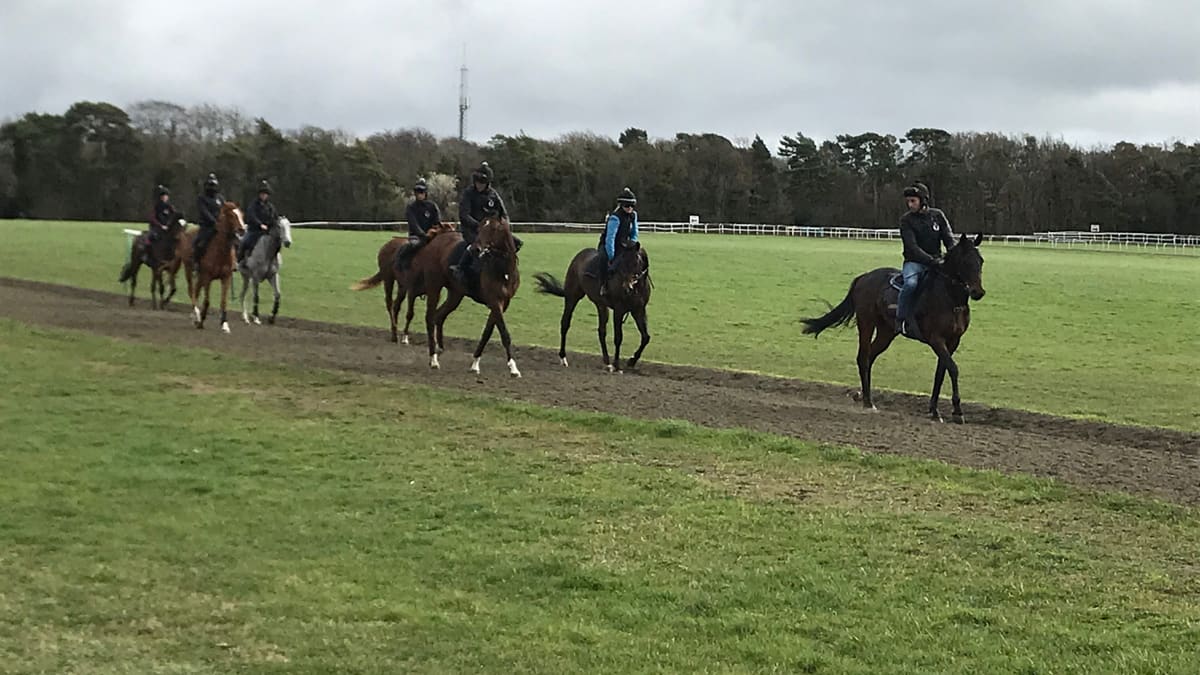

Yes, you can live in Dubai and own a horse racing in Britain, Ireland or France. You register online as an owner with the racing authority of that country (the BHA, Horse Racing Ireland or France Galop), choose a licensed trainer there, and pay a monthly training bill: roughly £2,000 in Britain, about €1,900 in Ireland and €1,500 to €2,500 in France, plus vet, entries and travel. The fit is perfect: the UAE races in the winter, Europe races in the summer. You fly in for the big days and watch the rest live.
Rashid (invented, 49, lives in Jumeirah, has a season badge for Meydan and a firm view on its coffee) has a problem every April. The Dubai World Cup is over. The temperature heads towards 45°C. His friends go to London, and his weekends go very quiet.
His Brother-in-Law Who Once Went to Ascot (also invented) has a solution: "Buy a horse in England." He says this the way other people say "buy a sandwich". He is, for once, half right. This guide is the other half.
Why would a Dubai owner race in Europe at all?
Because the calendars fit together like two halves of a year. The UAE season runs from November to March. The main European turf season runs from spring to autumn. One horse, or two, and you are racing all year.
This is not a new idea. The big Gulf-owned stables have done it for decades: winter in Dubai, summer in Newmarket. What has changed is that you do not need 300 horses and a private airport to do the same with one. You need a registration, a good trainer, a clear monthly budget and somebody on your side who answers emails in your time zone.
| When | Gulf | Europe |
|---|---|---|
| November to March | UAE season at Meydan: opens 6 November 2026; Festive Friday 18 December; Super Saturday 27 February; Dubai World Cup 27 March 2027 | Quieter: jumps racing, all-weather Flat racing, winter breaks, the sales |
| April and May | The season ends; the heat begins | Turf Flat season in full swing: the Guineas in Newmarket, the Curragh and Paris |
| June | Too hot to race | Royal Ascot, listed for 15 to 19 June 2027 (check official site); the Derby at Epsom |
| July and August | Too hot to race | Goodwood (late July), Deauville (August), York's Ebor Festival (August); check each official site for 2027 dates |
| September and October | Still hot | Irish Champions Festival, Arc weekend at ParisLongchamp (traditionally the first Sunday in October), Champions Day at Ascot; check official sites |
The Office WhatsApp Group will point out that Ascot in June is "basically Dubai in March, with rain". It is a fair point. You will need a raincoat. You will not need air-conditioned horseboxes.
How does a UAE resident register as an owner in Britain, Ireland or France?
Online, with the racing authority of the country where the horse races. All three accept owners who live abroad. Expect identity checks, a payment account and a few weeks of paperwork. Do it before the horse is bought, not after.
| Country | Who registers you | What to expect (as published) |
|---|---|---|
| Britain | British Horseracing Authority (BHA), processed by Weatherbys, managed in the online Racing Admin system | Online form; electronic identity check and credit search. Overseas residents use a British Horseracing Foreign Account instead of a UK direct debit (you are contacted about this after you apply). Sole-owner registration listed at £0; an annual owner subscription (listed at £140) applies if you had a runner in the last 12 months; racing colours from about £73 a year. Foreign companies send company documents and accounts. Check official site. |
| Ireland | Horse Racing Ireland (HRI), through its Racing Administration System (RÁS) | Owner registration and an owner account with HRI; you sign an "Authority to Act" naming your trainer before the horse can race in your name. For a company: a registered agent, a €550 fee and a €1,000 minimum opening balance, up to 4 weeks. Individual fees: check official site. |
| France | France Galop (Flat and jumps) | Owner approval (agrément) before you race, applied for online in English or French, in five steps; the file includes proof that you can pay for the horse's keep, and is also reviewed by the Interior Ministry's racing service. If you are already registered with a racing authority that follows the International Agreement on Breeding, Racing and Wagering, France Galop says approval can be quicker. Partnerships of up to 20 approved owners. Check official site. |
Two practical points. First, the name on the registration should be the name that pays the bills; mixing a personal registration with a company bank account is how simple paperwork becomes a long email chain. Second, if you already own horses in the UAE, say so in the application. It does not hurt, and in France it can help.
Thinking of sharing a horse with friends or family? Read sole ownership or a partnership first. The Brother-in-Law wants 10%. He also wants to choose the colours.
Who trains the horse, and how do I choose?
A licensed trainer in the country where the horse races. We do not train horses: we help you choose a partner trainer, place the horse, and supervise the plan for you.
Europe has famous training centres: Newmarket and Lambourn in England, the Curragh in Ireland, Chantilly in France. Each has hundreds of horses on its gallops every morning, and very different trainers, from big yards with 200 boxes to small ones where the trainer knows your horse's favourite mint.
The right trainer is not always the most famous one. It is the one who suits your horse, your budget and the way you like to hear news. Do you want a weekly video, a monthly call or a message after every piece of work? Ask before the horse arrives. Our guide how to choose a racehorse trainer has the questions to ask, and our trainer partners page explains how we work with them.
- What the trainer does: feeds, exercises and races the horse, books the jockey, and tells you the truth about its ability (good trainers do this even when it hurts).
- What we do: source the horse, arrange the vet, help you pick the trainer, check the plan and the bills, and report to you in plain English, in your time zone. Read more on racehorse management.
- What you do: enjoy it, pay the bills, and choose a hat for Ascot.
What does it cost each month?
The trainer's fee is the big monthly bill: roughly £2,000 in Britain, about €1,900 in Ireland and €1,500 to €2,500 in France. Vet, farrier, entries, jockey fees, transport and insurance come on top. Plan for the year, not the month.
| Cost | Britain | Ireland | France |
|---|---|---|---|
| Training fees (the main bill) | About £24,000 a year, about £2,000 a month (2018 data; higher today) | About €1,900 a month on average (HRI figure) | €1,500 to €2,500 a month (France Galop) |
| Jockey fee per ride (Flat) | £173.54 (2026) | €175 (check official site) | Check official site |
| Entries, vet, farrier, transport, insurance | Extra in all three countries. Ask the trainer for a written yearly estimate before the horse arrives. | ||
| Our management | From US$2,000 per horse per month, agreed in writing. The trainer's fees and extras are billed separately at cost. | ||
France has one feature the others do not: owners' premiums. For French-bred horses (or horses treated as French-bred), France Galop adds a premium on top of prize money, listed at +75% for two- and three-year-olds on the Flat. It is a lovely bonus when it happens. It is not a plan, and most horses do not cover their costs anywhere in the world. Our full breakdown is in what a racehorse really costs, and you can try your own numbers in the cost calculator.
Currency, briefly: Britain bills in pounds, Ireland and France in euros, the sales in Newmarket in guineas (£1.05 each, because tradition). Ask for a monthly summary in one currency. Rashid asked for dirhams. He got dollars. It was a compromise.
The Silk Road Letter
Twice a month: the sales worth watching, what horses really cost, and the catalogue jokes nobody tells you. Free. Unsubscribe in one click.
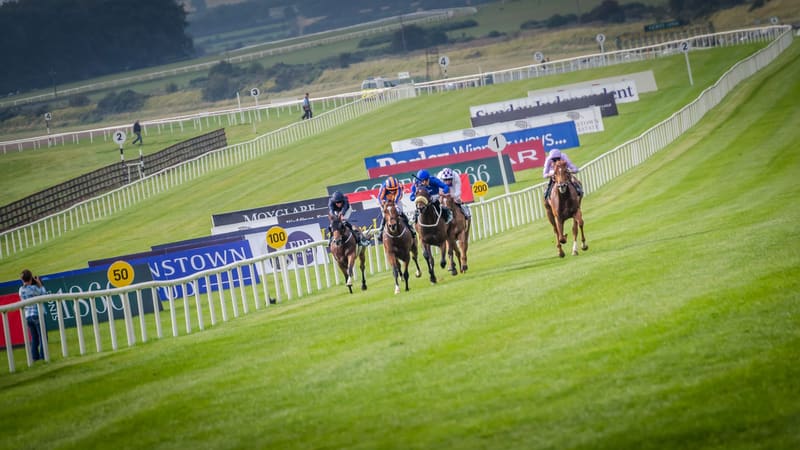

What are race days like when you fly in from Dubai?
Easy. London, Dublin and Paris are each a direct flight of roughly seven to eight hours from Dubai, and in summer Britain and Ireland are only three hours behind the UAE (France two). Fly in for the big days; watch the rest live from home.
- Owners' badges: owners with a runner normally receive badges from the racecourse, with access to the parade ring. Numbers, guest tickets and dress codes vary by course; Royal Ascot's dress code is famously strict (check official site).
- The morning visit: most trainers welcome owners to watch their horse work on the gallops. Early. Very early. Rashid found out that 6am in Newmarket is real.
- From your sofa: races are shown live and on replay, and a good trainer sends video of work mornings too. You will probably see more of your horse than of your cousins.
- Declarations: the trainer tells you when the horse is entered and confirmed to run, usually a few days ahead in Britain. That is enough time to book a flight, not always enough to get the hat.
What does a year look like for a Gulf owner with a horse in Europe?
Buy in the autumn sales or privately, let the horse settle over the winter while you enjoy Meydan, then race in Europe from spring to autumn. Review in October. Repeat, or sell.
- October to December, buy: the autumn and December sales, plus private sales all year. Our guides to the November-December sales and the Tattersalls December Sales explain the options. We source the best horses from all over the world, not one sale.
- December to March, settle: the horse joins the trainer, is assessed and builds up. You watch the Carnival at Meydan and receive videos from a cold, misty gallop. Everyone is happy, especially you.
- April to October, race: the trainer picks races that suit the horse's level, ground and distance. Not every horse is an Ascot horse, and a good plan finds the races your horse can be competitive in.
- October, review: keep, rest, step up, or sell. If the horse is good enough for the Gulf, it can travel to Dubai for the winter; read buying a horse to race in Dubai in 2026/27 and racehorse transport for the timelines.
Already planning to bring a horse home from a European sale instead? That is a different route, covered in how to buy a racehorse in Europe from the UAE. And your first months as an owner are covered in the first 90 days.
What are the most common mistakes?
Buying before registering, choosing a trainer by fame alone, budgeting for the horse but not the year, and expecting the horse to pay for itself.
- Buying first, registering later. The horse cannot race in your name until the paperwork is done. Start the registration now.
- The famous trainer, the forgotten horse. A big name with 200 horses may not be the best home for your one.
- The purchase price is not the price. The yearly training bill can be bigger than you think. Get it in writing.
- Buying an Ascot dream for a Wolverhampton level. Honest expectations make for happy owners.
- No independent vet. Your vet, your questions, before you buy. See racehorse vetting explained.
- Letting the Brother-in-Law choose the colours. Lime and purple. We have all seen it.
A plain word before you start
Owning a horse in Europe from Dubai is not complicated. It is a registration, a trainer, a monthly bill and a plan, with the summer racing that the Gulf simply cannot have.
We cannot promise a win, a price or a profit. Nobody honest can, and we never give betting tips. Owning a racehorse is a passion, not a way to make money. What we can promise is a careful search of the best horses from all over the world, independent vets, a partner trainer chosen with you, clear written terms, and plain reports by email in your time zone.
Rashid now has an owner registration, a trainer in Newmarket and a raincoat. The Brother-in-Law has his 10%. The colours are navy and gold. Nobody mentions the lime.
Watch Meydan this winter. Race in Europe next summer.
Email us your plan: the country, the kind of racing, your budget for the horse and the month. We find the right horse worldwide, arrange the independent vet, and place it with a partner trainer in Britain, Ireland or France. Training and management is arranged with partner trainers, from US$2,000 per horse per month. If your budget or timeline does not fit, we will tell you on day one.
Email info@silkroadbloodstock.com first. Phone +971 52 311 2385 second (Dubai, GMT+4). WhatsApp as backup.
5% fee (min US$5,000) for buying, agreed in writing. You pay the seller directly; your money never goes through us. If we are ever paid by both sides, both are told in writing first.
Already own a horse in Europe, or want to sell one?
Licensed trainers train; we help you choose one, place the horse and supervise the plan. Selling a horse in training? We find the right buyer, worldwide.
Know an owner in the Gulf who misses racing every summer? Our introducer programme pays 20% of our fee on deals you introduce, paid from our fee and disclosed to the client in writing.
Related guides
- Owning a racehorse in Dubai: your first season
- Buying a horse to race in Dubai in 2026/27
- How to buy a racehorse in Europe from the UAE
- How to choose a racehorse trainer
- How much does a racehorse cost?
- Sole ownership or a partnership?
The Silk Road Letter
Twice a month: the sales worth watching, what horses really cost, and the catalogue jokes nobody tells you. Free. Unsubscribe in one click.
Frequently asked questions
Can I own a racehorse in Britain, Ireland or France if I live in Dubai?
Yes. You register as an owner with the racing authority of the country where the horse races: the BHA in Britain, Horse Racing Ireland in Ireland, or France Galop in France. All three accept owners who live abroad, with identity checks and, in Britain, a special foreign account for payments. Check each official site for the current forms and fees.
How much does it cost a month to keep a horse in training in Europe?
As a rough guide, training fees alone are about £2,000 a month in Britain (about £24,000 a year in 2018 data, higher today), about €1,900 a month in Ireland (HRI average) and €1,500 to €2,500 a month in France (France Galop). Vet, farrier, entries, jockey fees, transport and insurance are extra. Ask the trainer for a written estimate.
Why race in Europe if I live in the UAE?
Because the seasons fit. The UAE season runs in the cooler months, from November to the Dubai World Cup on 27 March 2027. The main European turf season runs from spring to autumn, with Royal Ascot, Goodwood, Deauville, York, the Curragh and the Arc. A horse in Europe races while the Gulf is too hot, and you can fly in for race days.
Do I have to fly to Europe to own a horse there?
No. Registration is online, the trainer sends video and reports, and races can be watched live. Most owners fly in for the big days only. Owners with a runner normally receive owners' badges from the racecourse; numbers and dress codes vary by course, so check with the racecourse.
What does Silk Road Bloodstock charge?
Buying: 5% of the purchase price, minimum US$5,000, agreed in writing before we start. Training and management is arranged with partner trainers, from US$2,000 per horse per month; the trainer's fees, vet, farrier, entries and transport are billed separately at cost. If we are ever paid by both sides, both are told in writing first.
Spotted an error? Email info@silkroadbloodstock.com and we will fix it within 48 hours.
Sources
Checked 23 October 2026. Registration rules, fees and race dates are set by the racing authorities and racecourses and can change; always check their official websites.
- BHA, Sole ownership (online application, identity and credit check, British Horseracing Foreign Account for overseas residents, registration £0)
- BHA, Company ownership (documents for foreign-based companies)
- Racehorse Owners Association, Costs of ownership (jockey fee £173.54 from 1 January 2026, owner subscription, entry charges)
- Racing Post, owners' costs and returns (2018 data, about £24,000 a year in training fees)
- Association of Irish Racehorse Owners, company ownership with HRI (€550 fee, €1,000 minimum opening balance, up to 4 weeks)
- Association of Irish Racehorse Owners, racing charges (jockey fee €175 Flat)
- The Irish Field, HRI average training fees €1,900 a month
- France Galop, Become an owner FAQ (approval, foreign owners, training fees €1,500 to €2,500 a month, owners' premiums)
- France Galop, Forms of ownership (associations of up to 20 owners)
- France Galop, online owner application in English and French, five steps
- Khaleej Times, Dubai Racing Carnival opens 6 November 2026
- WAM, Emirates Racing Authority 2026-2027 UAE season (Dubai World Cup 27 March 2027)
- Ascot Racecourse, official site (Royal Ascot 2027 is listed by ticket agents for 15 to 19 June; check here)