The Silk Road Journal · Ownership · Worldwide
From Syndicate Share to Your Own Racehorse: The Graduation Guide
You have had the badges, the stable visits, the 6am gallop videos and a group chat with 40 people in it. Now you want a horse that is yours, or yours and two friends'. Here is how the jump really works, what it costs, and who does what when there is no syndicate manager to ring.
A light-hearted look at the horse world. Graham, the Group Chat and the Man Who Owns 0.5% of a Hurdler are invented. Facts are sourced at the end. No betting tips, nothing here is financial, tax or legal advice, and no horse in this article is for sale.
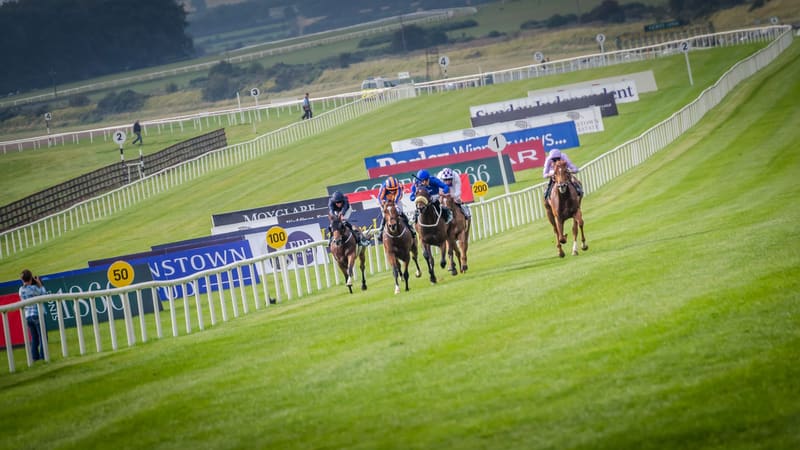

Racing clubs and syndicates are the best way to learn ownership: small fees, shared bills, someone else making the calls. Moving to your own horse, or a partnership of two to four friends, means you pay the whole price and every monthly bill, and you make every decision. Budget for two bills, not one: the purchase, and the cost of keeping the horse in training (with our partner trainers from US$2,000 per horse per month, plus extras). Then get help with the part your syndicate manager used to do: finding, vetting and buying the right horse, and choosing a licensed trainer.
Graham (invented, 54, a quantity surveyor, owns 2% of a sprinter and 0.5% of a hurdler) has been in racing clubs for six years. He has stood in the paddock in borrowed badges. He has watched his horse finish fourth from 11 and called it "a career-best run". He has read 1,400 messages in the syndicate group chat, roughly 1,100 of them about the weather.
Last month the syndicate voted on whether to run at Chepstow or Wolverhampton. Graham voted Chepstow. 31 people voted Wolverhampton. Graham drove home thinking one simple thought: "I want a horse that does what I say." (Horses do not do what anyone says. But a trainer will at least ring him back.)
This guide is for Graham, and for every club and syndicate member in Britain, Ireland, Australia, Hong Kong, the Gulf and beyond who has had the same thought on the drive home.
How do racing clubs, syndicates and partnerships actually work?
A racing club sells you an experience; a syndicate sells you a share; a partnership makes you an owner. The names are similar from country to country, but the rules are set by each racing authority.
In Britain, the British Horseracing Authority (BHA) recognises five ownership types: sole, company, partnership, syndicate and racing club. Here is how the shared ones differ, with the nearest equivalent elsewhere.
| Where | Racing club | Syndicate | Partnership |
|---|---|---|---|
| Great Britain (BHA) | You pay a fee and own no part of the horse; the club owns or leases it. The manager must be licensed and follow a code of conduct. | Members own or lease shares; a BHA-licensed syndicator registers as owner and runs it. Members do not register. | Two or more partners, and every partner must be a registered owner. |
| Ireland (HRI) | Run by two agents, both registered owners; the club name appears as owner. | 3 to 100 members, registered with HRI, with every member's share on the form. | 2 to 6 people, registered with HRI. |
| Australia (ASIC and the state racing authority) | Shares sold to the public are a regulated scheme: the promoter needs a financial services licence (or works under one), and each offer needs a Product Disclosure Statement approved by the racing authority. Up to 50 members per syndicate. The ASIC rules are being remade in 2026 (check official site). | Small private ownership groups register with the state racing authority (check official site). | |
| Hong Kong (HKJC) | Ownership is by Club approval. In 2026 the HKJC launched its own syndicate through its subsidiary The Racing Club: 35 shares, one share per account, an initial fee plus monthly contributions (check official site). | Approved owners may race in partnership or as a syndicate under HKJC rules (check official site). | |
Microshares are the newest variant: hundreds of people buying very small interests in one horse. Wonderful for learning. Less wonderful when you want to choose the race. The Man Who Owns 0.5% of a Hurdler (also invented) once suggested a change of trainer. He was outvoted by 199 people and a dog's Instagram account.
How do I know I am ready for my own horse?
When you want the decisions more than you fear the bills, and you can afford to lose every penny of the second bill without it hurting your family.
- You want a say. The trainer, the races, the jockey, the day you sell. In a syndicate, these belong to the manager or the vote.
- You want your own colours. In a sole ownership or partnership, the jockey carries your registered silks. Your Group Chat will want to design them. Do not let it.
- You understand the costs. You have seen the syndicate's monthly bill and know it was a slice of a bigger number.
- You have the time. Not much, but some: calls with the trainer, a few race days, the odd decision at 7am.
- You know it is a passion. Racehorse ownership is a risk, not a way to make money. If the horse never wins a race, you will still be glad you did it. If that sentence makes you nervous, stay in the club a little longer: that is a perfectly good answer.
What is the real cost jump?
From a slice to the whole cake. A club costs from tens to a few hundred pounds a year; a syndicate share from a few hundred to several thousand. Your own horse means the full purchase price plus the full monthly bills, often more than US$30,000 a year before you add the horse.
| How you own | What you pay (typical, UK examples) | What you control | Graham's verdict |
|---|---|---|---|
| Racing club | A one-off or yearly fee, often tens to a few hundred pounds | Nothing. You enjoy. | "Lovely. Like a gym I never use, but with horses." |
| Syndicate share | A share of the horse plus a share of monthly costs: from a few hundred to several thousand pounds a year | A vote, sometimes | "31 votes for Wolverhampton." |
| Partnership of 2 to 4 | Your share of the full price and of every bill | Shared, under a written agreement | "Me, my brother-in-law, and a spreadsheet." |
| Sole owner | The full price and every bill | Everything (except the horse) | "Mine. All mine. Including the vet bill." |
The two bills
Bill one, the horse. Anything from a few thousand to several million, depending on age, form and pedigree. Our guide to what a racehorse really costs goes through the ranges. Add our fee: 5% of the price, minimum US$5,000, agreed in writing before we start. Add the vetting, and the transport to the trainer's yard.
Bill two, keeping it in training. Through our partner trainers, training and management start from US$2,000 per horse per month. That is US$24,000 a year before the extras: vet and farrier, transport to the races, entries, jockey fees and insurance. For context, the Racehorse Owners Association's survey put the yearly cost of a Flat horse in training in Britain at £22,595, and that was in 2015. Very little in racing has become cheaper since, apart from advice.
An illustrative first year
Not a quote and not a forecast: just the shape of the numbers. Say a horse in training is bought for US$60,000. Our 5% fee is US$5,000 (the minimum applies). Twelve months of training and management at US$2,000 is US$24,000, plus, say, US$8,000 of extras. First-year total: about US$97,000. As a sole owner, that is all yours. In a partnership of three, it is about US$32,000 each, plus three opinions on every race. Prize money, if any, is a pleasant surprise, not part of the plan.
Should I go solo or start a small partnership?
Solo for control and your own colours; two to four trusted people for a better horse on the same personal budget. Both work, if the agreement is written before the horse arrives.
A small partnership is the natural next step for many syndicate members: it keeps the shared fun and the shared bills, but with three voices instead of 40. The catch is that friendships are tested by money and by Wolverhampton. Write down each share, who pays which bill and when, who decides on races and a sale, and what happens if one partner wants out. In Britain every partner must register as an owner; in Ireland a partnership is 2 to 6 people registered with HRI. Your trainer or agent can help with the forms.
For the full comparison, read sole ownership or a private partnership.
Who does the syndicate manager's job now?
Three people, each doing what they are best at. The agent finds and buys the horse. The licensed trainer trains it. You decide.
In a syndicate, one person quietly did a lot of jobs: chose the horse, negotiated the price, picked the trainer, paid the bills and sent the updates. When you own outright, those jobs do not disappear. They are split:
- The bloodstock agent (that is us): turns your plan into a shortlist, reads the catalogues and the form, watches the races, arranges an independent vet, and bids or negotiates in your name to a limit you set in writing. We source the best horses from all over the world, at auction and privately.
- The licensed trainer: trains the horse, plans the races with you and reports on its progress. Licensed trainers train; we help you choose one, place the horse and supervise the plan. Our partner trainers offer training and management from US$2,000 per horse per month.
- You: set the budget, approve the horse, choose the colours and take the photo in the winner's enclosure, should the day come. We cannot promise it will.
New to this side of the rail? Read what a bloodstock agent does, how to choose a racehorse trainer and your first 90 days as an owner.
The Silk Road Letter
Twice a month: the sales worth watching, what horses really cost, and the catalogue jokes nobody tells you. Free. Unsubscribe in one click.
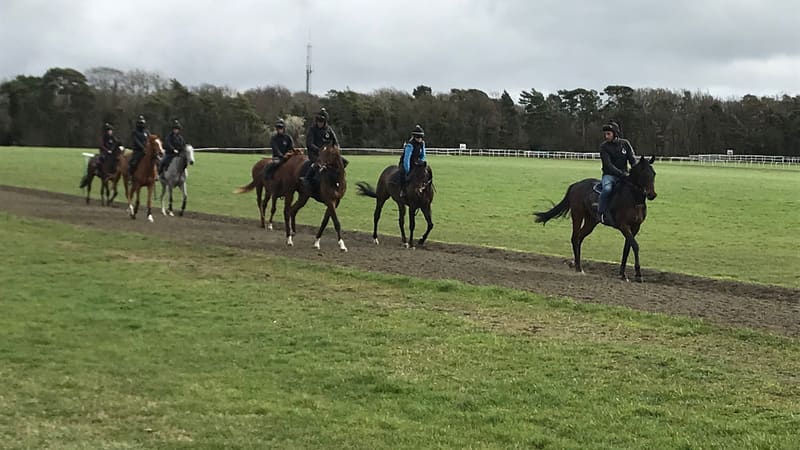

How do I go from share to my own horse, step by step?
Decide, budget, register, brief, shortlist and vet, buy, place. Seven steps, most of them by email.
- Decide how you will own: alone, with family, or with two or three friends. Write the partnership agreement first if you are sharing.
- Budget both bills: the horse, plus at least a year of training and extras. Then add a cushion. Horses can find a new way to visit the vet on any day of the week.
- Register as an owner with the racing authority where the horse will race (in Britain, through the BHA; in Ireland, HRI; in Hong Kong, by HKJC approval). Check what is needed early: it can take time.
- Send a brief: where you want to race, flat or jumps, the age, the budget. One paragraph is enough.
- Shortlist and vet: we send a short list with notes and video, not a list of 40. An independent vet checks every horse before any bid.
- Buy to a written limit: at auction or privately, in your name. We do not go a pound, euro or dollar over it.
- Place the horse with a licensed trainer you have chosen, and arrange transport and insurance. Then design the colours. Without the Group Chat.
What mistakes do new sole owners make?
Spending the whole budget on the horse, buying the syndicate's favourite type instead of their own, skipping the vet and skipping the written agreement.
- No money left for bill two. The horse is the cheapest part. Really.
- Buying the horse you shared. A relative of the syndicate's old sprinter is not the same horse. Half-brothers are not refunds.
- Choosing the trainer last. The trainer should help shape the plan before you buy.
- No independent vet. Your vet, your questions, before you bid.
- A handshake partnership. Write it down. Friendships last longer than racehorses' careers, and you want to keep both.
- Expecting it to pay for itself. Some horses win prize money. Most owners still spend more than they win. Buy for the joy.
Are you a syndicate or club manager?
Your best members will one day want a horse of their own. Introduce them to us and keep them in racing, and in your circle.
We do not run syndicates or clubs, and we are not trying to replace yours. When a member asks you "how do I get my own horse?", you can pass them to us. Our introducer programme pays 20% of our fee on deals you introduce, paid from our fee and disclosed to the client in writing. Many graduates keep their syndicate share too. Graham has. He still votes Chepstow.
A plain word before you buy
Racing clubs and syndicates are where most of us fall in love with the sport. Leaving one is not a betrayal; it is the next chapter. The right question is not "can I afford a horse?" but "can I afford a year of a horse, and enjoy it whatever happens?"
We cannot promise a win, a price or a profit. Nobody honest can, and we never give betting tips. Owning a racehorse is a passion, not a way to make money. What we can promise is a careful search of the best horses from all over the world, independent vets, a written limit, a licensed trainer chosen with you, and plain reports by email in your time zone.
Graham now has a one-paragraph brief, a partnership agreement with his brother-in-law and a short list of three. He has also muted the group chat. Just for a week.
Your own horse, or a share with friends: let's find it.
Email us what you have owned before, how you want to own now, and your budget for the horse and for the monthly bills. We source horses in training and young horses from the sales and private sellers all over the world, with independent vets and clear written terms, and help you place the horse with a licensed partner trainer, from US$2,000 per horse per month. If your budget does not fit the plan, we will tell you on day one.
Email info@silkroadbloodstock.com first, from anywhere in the world. Phone +971 52 311 2385 second (Dubai, GMT+4). WhatsApp as backup.
5% fee (min US$5,000), agreed in writing. You pay the seller directly; your money never goes through us. If we are ever paid by both sides, both are told in writing first.
Run a syndicate or racing club, or know a member ready for their own horse? Our introducer programme pays 20% of our fee on deals you introduce, paid from our fee and disclosed to the client in writing.
Related guides
- Sole ownership or a private partnership?
- What does a racehorse really cost?
- Your first 90 days as a racehorse owner
- How to choose a racehorse trainer
- Yearling, breeze-up or horse in training?
- Racehorse vetting: what a vet check can and can't tell you
The Silk Road Letter
Twice a month: the sales worth watching, what horses really cost, and the catalogue jokes nobody tells you. Free. Unsubscribe in one click.
Frequently asked questions
What is the difference between a racing club, a syndicate and a partnership?
In Britain, racing club members pay a fee but own no part of the horse; the club owns or leases it. Syndicate members own or lease shares, and a licensed syndicator manages the horse. In a partnership, each partner is a registered owner and holds a percentage of the horse. Ireland, Australia and Hong Kong have their own versions of these rules: check the racing authority's official site.
How much more does it cost to own a racehorse outright?
A lot more. Instead of a share of the costs, you pay the whole purchase price and every monthly bill. Training and management through our partner trainers starts from US$2,000 per horse per month, before vet, farrier, transport, entries, jockey fees and insurance. A British owners' survey put the yearly cost of a Flat horse in training at £22,595 in 2015; it is higher today. A partnership of two to four friends splits all of this.
Should I go solo or start a small partnership?
Go solo if you want every decision and your own colours. Choose a partnership of two to four people you trust if you want a better horse for the same personal budget. Either way, put the shares, the bills and the exit rules in writing before you buy.
What does a bloodstock agent do for a first-time sole owner?
The agent does the buying part that your syndicate manager used to do: finds horses that fit your plan and budget, arranges an independent vet, bids or negotiates to your written limit and helps you choose a licensed trainer. Licensed trainers train; the agent places the horse and supervises the plan for you.
How much does Silk Road Bloodstock charge?
5% of the purchase price, minimum US$5,000, agreed in writing before we start. You pay the seller directly; your money never goes through us. If we are ever paid by both sides, both are told in writing first.
I run a syndicate or racing club. Can I work with you?
Yes. If one of your members wants a horse of their own, you can introduce them through our introducer programme and receive 20% of our fee on the deal, paid from our fee and disclosed to the client in writing.
Spotted an error? Email info@silkroadbloodstock.com and we will fix it within 48 hours.
Sources
Checked 23 October 2026. Ownership rules are set by each racing authority and can change; always check their official websites. Club and syndicate prices vary widely and are examples, not a market average.
- BHA, Become an owner (five ownership types: sole, company, partnership, syndicate, racing club)
- BHA, Shared ownership regulation (licensed syndicators and club managers; codes of conduct; Forfeit List)
- BHA, Shared Ownership Manual (PDF)
- Racehorse Owners Association, Types of ownership (partnership, syndicate, microshare, racing club)
- Racehorse Owners Association, Costs of ownership (2015 survey: £22,595 a year for a Flat horse in training)
- Racing Post, "Join the Club" series (examples of racing club fees)
- Horse Racing Ireland, Racing Administration Services: ownership (syndicates, clubs and partnerships)
- IHRB, 15 October 2025 rule change (partnerships of 2 to 6, syndicates of 3 to 100, administered by HRI)
- Inglis, ASIC's key changes to horse racing syndicates (cap raised from 20 to 50 members, 2016)
- Racing Victoria, Approved syndicate promoters (licence, PDS approval)
- Racing NSW, Selling shares in racehorses (PDF)
- The Straight, 12 January 2026, "Hong Kong Jockey Club launches syndicate move" (The Racing Club; 35 shares, one per account)