Buying a proven racehorse privately: how top owners do it
By the Silk Road Bloodstock team · 21 October 2026
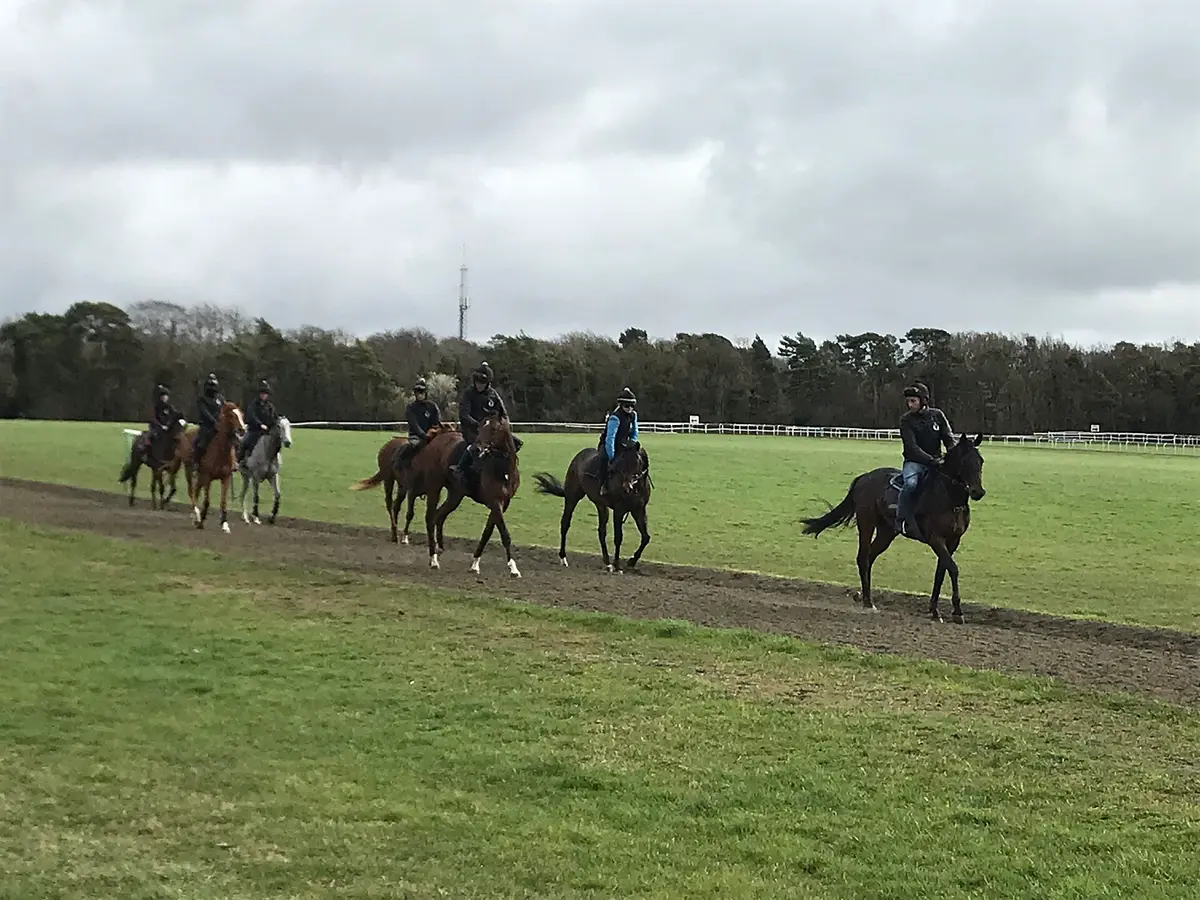

The finest horses are rarely in a catalogue. A horse that has already won, or placed in a Group or Listed race, usually changes hands quietly: one owner, one buyer, two agents and a vet. Here is how a private purchase works, what it costs and how to protect yourself.
Why owners buy privately
- Choice. You are not limited to the horses entered in a sale. Almost any horse can be bought for the right price.
- Timing. You can buy when your target race needs it, not when the next sale happens.
- Discretion. No public bidding and no published price.
- Proof. You buy a horse with real form, not only a pedigree.
Step by step
1. Start with the race, not the horse
Tell your agent where you want to run, for example the Dubai Racing Carnival, the Saudi Cup meeting or Royal Ascot, and your budget. The target race decides the distance, the surface and the level of form you need.
2. The search
Your agent studies race results and ratings, then quietly asks trainers and owners whether suitable horses could be sold. Many good horses are "not for sale" until someone asks.
3. Valuation
There is no auction to set the price. A fair value comes from recent sales of horses with similar ratings, age and pedigree, the horse's future plans and, for fillies, its value as a broodmare later.
4. Vetting
An independent vet examines the horse before you commit. A full examination usually includes X-rays, a wind scope (an endoscope down the airway) and a blood sample. Read the reports with your agent. No horse is perfect, and the question is whether any issues matter for your plans.
5. The sale agreement
A written agreement sets out the price, the conditions (such as passing the vet), the date ownership and risk pass to you, and who pays for transport and insurance from that day.
6. Payment and transfer
You pay the seller directly against the agreement. The ownership change is then registered with the racing authority. In Britain this goes through Weatherbys. Insure the horse from the moment risk passes to you.
7. The move
The horse either stays with its trainer or moves to yours, in Europe or abroad. Export health tests, import permits and shipping are arranged with licensed companies.
Protect yourself: three questions for any agent
- Who pays you? An agent who is also paid by the seller has a conflict. Ask for the fee in writing.
- Where does my money go? It should go to the seller, against a written agreement, and not through the agent's own account.
- Can I see the vet reports myself? The answer should always be yes.
What it costs
- The horse: agreed with the seller. Proven horses with Group or Listed form cost much more than unraced horses of similar pedigree.
- Our fee: 5% of the price, minimum US$5,000, agreed in writing. We act only for you. Cost calculator.
- Also allow for: vetting, insurance, transport and training fees.
Racing is never certain. A private purchase gives you a horse with proven ability, not a guaranteed result.
Tell us the race you dream of
We will find out, quietly, who might sell. Every enquiry is handled in confidence.
Begin a private conversation Send your brief
Prefer email? Write to info@silkroadbloodstock.com
Read next: Protecting a big purchase · How to buy at Tattersalls from overseas · Dubai Racing Carnival 2026–27